
L’arte del design nei casinò moderni: come creare spazi di gioco avvincenti per tutti

Il design di un casinò non è più soltanto questione di eleganza superficiale; è l’arte di orchestrare luci, suoni, colori e materiali per guidare il giocatore verso un’esperienza immersiva e, soprattutto, redditizia. Negli ultimi anni, la crescita dei nuovi casino non AAMS ha spinto gli operatori a ricercare soluzioni estetiche che possano distinguersi in un mercato sempre più digitale. Un ambiente ben progettato può aumentare il tempo di permanenza, migliorare la percezione del valore delle puntate e persino influenzare le decisioni di wagering dei giocatori.

In questo articolo analizzeremo i passaggi fondamentali per ideare spazi di gioco avvincenti, partendo dalle radici storiche fino alle tecnologie più avanzate, passando per la scelta dei materiali, l’illuminazione, il colore, le zone di socialità, l’accessibilità, la sostenibilità e l’integrazione sensoriale. Alla fine, avrai una visione completa su come trasformare una semplice sala da gioco in un ecosistema dove ogni dettaglio contribuisce al divertimento e al profitto.

Dalla tradizione al futuro – l’evoluzione estetica dei casinò

Le radici storiche del design da sala da gioco

I primi casinò europei, come il Casinò di Venezia (1638) o il Monte Carlo, si ispiravano alle sale da ballo aristocratiche: soffitti affrescati, lampadari di cristallo e tappeti persiani. L’obiettivo era creare un’atmosfera di lusso che rendesse il gioco una forma di intrattenimento esclusivo. Le pareti erano riccamente decorate con motivi dorati e le postazioni di gioco erano separate da divisori in legno intagliato, per garantire privacy e un senso di elite.

Con l’avvento del proibizionismo negli Stati Uniti, le sale clandestine adottarono un design più sobrio, ma comunque orientato a nascondere la presenza di macchine slot e tavoli da poker. L’illuminazione era più tenue, i colori scuri e i tappeti spessi, per ridurre il rumore e mantenere un’atmosfera intima.

Tecnologie emergenti che ridefiniscono gli ambienti

Il XXI secolo ha introdotto una serie di innovazioni che hanno trasformato radicalmente il design dei casinò. La realtà aumentata (AR) permette di proiettare informazioni in tempo reale su tavoli da blackjack, mostrando probabilità di vincita e suggerimenti di strategia senza interrompere il flusso di gioco. I display OLED curvi, installati sul soffitto, creano scenari tematici che cambiano in base all’ora del giorno o al risultato di un grande jackpot.

Le piattaforme di gestione energetica basate su IoT regolano automaticamente la temperatura e la luminosità in base alla densità di persone presenti, riducendo i costi operativi e migliorando il comfort. Inoltre, i sistemi di riconoscimento facciale, se usati in modo responsabile, consentono di personalizzare l’ambiente per ogni giocatore, adattando colori e musica alle preferenze individuali.

Queste tecnologie non solo arricchiscono l’esperienza sensoriale, ma permettono anche di raccogliere dati utili per ottimizzare la disposizione delle postazioni, la frequenza di rotazione delle slot e persino l’offerta di bonus personalizzati.

Come scegliere i materiali giusti per un’atmosfera accogliente

La scelta dei materiali è il primo passo per definire il carattere di un casinò. Superfici opache o lucide, tessuti pregiati o sintetici, legno massello o metallo lavorato: ognuno di questi elementi trasmette una sensazione diversa al giocatore.

Un progettista sta valutando le superfici più adatte per il nuovo lounge del suo casinò; per avere un’idea concreta di come le finiture influenzino l’esperienza del giocatore, osserva i layout proposti da alcuni dei migliori casino online, dove la combinazione di luci e texture è studiata per massimizzare il comfort.

Materiali tradizionali vs. innovativi

Elemento Tradizionale Innovativo Impatto sul giocatore
Pavimento Marmo lucido Resina epoxica anti‑scivolo Il marmo amplifica il senso di lusso, ma può risultare freddo; la resina offre sicurezza e un look moderno
Rivestimenti Pelle di alta qualità Tessuto tecnico traspirante La pelle è percepita come esclusiva, mentre i tessuti tecnici aumentano il comfort in ambienti caldi
Pareti Pannelli in legno intagliato Pannelli in fibra di vetro con retroilluminazione Il legno evoca tradizione, la fibra di vetro permette giochi di luce dinamici

Consigli pratici per la selezione

  • Durata: le superfici devono resistere a un traffico elevato e a eventuali fuoriuscite di bevande. La resina e i rivestimenti in PVC rinforzato sono ottime scelte.
  • Acustica: pannelli fonoassorbenti in fibra di lana o schiuma melamminica riducono il riverbero, creando un ambiente più intimo per le slot e le tavole.
  • Manutenzione: materiali facili da pulire, come il laminato ad alta pressione, riducono i costi di gestione e mantengono l’aspetto “nuovo” più a lungo.

Esempio concreto

Un nuovo casinò a Milano ha optato per un pavimento in resina con inserti di pietra naturale per creare un effetto “cascata” che guida i giocatori verso le zone più profittevoli, come le slot ad alta volatilità. Le pareti sono rivestite con pannelli di tessuto tecnico, che assorbono il rumore delle macchine e offrono una sensazione di calore, particolarmente apprezzata durante le fredde serate autunnali.

L’illuminazione come protagonista dell’esperienza di gioco

L’illuminazione è l’elemento più sottile ma più potente nel design di un casinò. Un’illuminazione ben studiata può accentuare la tensione di una mano di poker, rendere più invitante una slot machine o guidare il flusso dei clienti verso aree di maggior profitto.

Luci d’ambiente vs. luci focali: quando usarle

Le luci d’ambiente, diffuse da pannelli a LED o da lampade a sospensione, creano un’atmosfera generale e influenzano la percezione di spazio. Sono ideali nelle aree lounge e nei corridoi, dove un’illuminazione morbida invita i giocatori a rilassarsi e a consumare bevande.

Le luci focali, invece, sono concentrate su postazioni di gioco specifiche. Spot a LED con temperatura di colore più alta (circa 5000 K) aumentano la chiarezza visiva sulle slot, favorendo una migliore lettura delle combinazioni di simboli. Nei tavoli da roulette, le luci direzionali evidenziano il bordo rosso e nero, accentuando l’emozione del giro.

Effetti dinamici e scenografie luminose

Le installazioni di luce dinamica, controllate da software di DMX, consentono di variare colore e intensità in tempo reale. Durante un jackpot record, le luci si accendono in sequenza, creando un effetto “cascata” che attira l’attenzione di tutti i presenti. Alcuni casinò hanno introdotto pareti video a LED che simulano un tramonto tropicale, sincronizzando l’effetto con la musica di sottofondo per un’esperienza multisensoriale.

Un esempio pratico: il nuovo resort di Ibiza utilizza lampade a LED RGB nei corridoi principali; quando una slot “Megaplay” raggiunge il massimo payout, le luci cambiano da bianco freddo a rosso pulsante, segnalando a tutti i visitatori l’evento.

Il ruolo del colore nella psicologia del giocatore

Il colore è un linguaggio non verbale che influisce direttamente sul comportamento del giocatore. Il rosso stimola l’energia e l’urgenza, ideale per aree con promozioni flash. Il blu, invece, trasmette calma e fiducia, perfetto per le sale private di poker dove i giocatori cercano concentrazione.

Le tonalità oro e rame sono associate al lusso e alla ricchezza; per questo sono spesso impiegate nei bordi delle slot premium e nei menù dei bonus. Nei nuovi casino non AAMS, i designer sperimentano con palette “neon” per attrarre una clientela più giovane, abituata ai giochi mobile con interfacce vivaci.

Una buona pratica è utilizzare il colore per guidare il flusso di traffico: un tappeto rosso che conduce dalla reception alle slot high‑roller, oppure una zona verde dedicata alle scommesse sportive, dove il verde richiama la familiarità dei campi da gioco.

Spazi di socialità – aree lounge, bar e ristorazione

Progettare zone di relax senza interrompere il flusso di gioco

Le aree lounge devono essere posizionate strategicamente: abbastanza distanti da non distrarre i giocatori alle slot, ma abbastanza vicine da incentivare pause brevi e consumi. Un layout a “isola” con tavoli modulabili permette di creare micro‑spazi per gruppi di 2‑4 persone, mantenendo una vista aperta sul piano principale.

I divisori in vetro satinato offrono privacy senza bloccare la luce, favorendo una percezione di continuità visiva. Le sedute ergonomiche con supporto lombare incoraggiano i clienti a rimanere più a lungo, aumentando la probabilità di tornare al gioco dopo una pausa caffè.

Cibo e bevande: design funzionale per la massima fruibilità

Il bar deve avere un bancone a “U” che consente al personale di servire più clienti simultaneamente, riducendo le code. Le vetrine refrigerate integrate nel bancone mostrano snack e cocktail in modo accattivante, mentre le superfici in acciaio inox facilitano la pulizia rapida.

Un menu digitale su tablet, collegato al sistema di fidelizzazione del casinò, può suggerire offerte personalizzate (ad esempio, “20 % di sconto sul cocktail se la tua puntata totale supera i 500 €”). Questo approccio aumenta l’interazione tra il servizio di ristorazione e l’esperienza di gioco, generando ulteriori entrate.

Accessibilità e inclusività: design per tutti i visitatori

Un casinò moderno deve essere accessibile a persone con mobilità ridotta, ipovedenti e altre esigenze speciali. Le rampe in acciaio inox con finitura antiscivolo garantiscono l’accesso ai piani superiori, mentre i percorsi a larghezza minima di 1,20 m facilitano il passaggio di sedie a rotelle.

I tavoli da gioco possono includere superfici tattili in rilievo per i giocatori ipovedenti, con segnapunti braille per le slot più popolari. Le luci regolabili in intensità, controllabili tramite pannelli touch, consentono di ridurre l’abbagliamento per chi è sensibile alla luce.

Infine, la segnaletica multilingue, posizionata a intervalli di 8 m, aiuta i turisti internazionali a orientarsi senza difficoltà. Un esempio virtuoso è il casinò di Barcellona, che ha introdotto un’app mobile con mappe interattive per guidare gli utenti con disabilità visive verso le proprie postazioni preferite.

Sostenibilità e design verde nei casinò contemporanei

La sostenibilità è ormai un requisito imprescindibile per gli operatori che vogliono distinguersi. L’utilizzo di pannelli solari sul tetto, combinato a sistemi di accumulo energetico, permette di alimentare le luci LED e i display OLED riducendo la dipendenza dalla rete.

I materiali riciclati, come il parquet in legno certificato FSC e le pareti in cartongesso riciclato, diminuiscono l’impatto ambientale senza sacrificare l’estetica. Inoltre, i sistemi di recupero dell’acqua piovana vengono impiegati per l’irrigazione dei giardini verticali all’interno delle aree lounge, creando un micro‑clima più fresco e salutare.

Un casinò di Valencia ha implementato un “circuito chiuso” per la climatizzazione: l’aria calda estratta dalle macchine slot viene filtrata e reimmessa per il raffrescamento delle aree bar, riducendo il consumo di energia del 30 %.

L’esperienza sensoriale integrata: suono, aroma e tatto

Oltre alla vista, gli altri sensi giocano un ruolo cruciale. Un sottofondo musicale soft, con bassi leggeri, può aumentare la percezione di tempo prolungato, incoraggiando i giocatori a rimanere più a lungo. Le playlist sono spesso programmate in base al ritmo di gioco: brani più energici durante le promozioni flash, melodie rilassanti nelle lounge.

Gli aromi, diffusi tramite sistemi di nebulizzazione, possono influenzare l’umore. Note di agrumi favoriscono la concentrazione, mentre profumi di vaniglia aumentano la sensazione di comfort. Alcuni casinò sperimentano con aromi “cash” (una leggera fragranza di monete) per associare l’ambiente al concetto di vincita.

Il tatto è curato attraverso superfici lisce per i pulsanti delle slot e texture morbide per i braccioli delle sedute. I giocatori apprezzano una risposta tattile nitida quando vincono: un leggero vibrazione del tavolo da roulette, ad esempio, amplifica l’emozione del risultato.

Il futuro del design dei casinò: realtà aumentata e spazi ibridi

La realtà aumentata sta per rivoluzionare il modo in cui i giocatori interagiscono con lo spazio fisico. Immagina di indossare occhiali AR mentre cammini nel casinò: le slot più vicine si illuminano con una cornice virtuale che mostra il RTP, la volatilità e le ultime promozioni. I tavoli da blackjack potrebbero proiettare le statistiche in tempo reale, consentendo ai principianti di apprendere le strategie direttamente al tavolo.

Gli spazi ibridi combinano il gioco tradizionale con le esperienze online. Una zona “e‑sport lounge” offre postazioni con monitor 4K, dove i clienti possono scommettere in tempo reale su tornei di videogiochi, mentre allo stesso tempo possono accedere a un’area slot con temi ispirati ai personaggi degli e‑sport.

Queste innovazioni richiedono infrastrutture di rete ultra‑veloce (5G o Wi‑Fi 6E) e una progettazione modulare che consenta di riconfigurare rapidamente gli spazi in base alle tendenze di mercato. Il risultato è un casinò che si adatta dinamicamente alle preferenze dei giocatori, mantenendo alta la frequenza di visita e la fidelizzazione.

Conclusione

Il design dei casinò moderni è un crogiolo di tradizione, tecnologia e attenzione al benessere del cliente. Dalla scelta dei materiali alla gestione dell’illuminazione, dal colore alla creazione di spazi sociali, ogni decisione influisce sulla percezione del valore e sulla durata della permanenza.

Le nuove tendenze, come la realtà aumentata e gli spazi ibridi, aprono la porta a esperienze sempre più personalizzate, mentre la sostenibilità e l’accessibilità garantiscono che il divertimento sia alla portata di tutti. Un approccio olistico, che combina estetica, funzionalità e innovazione, è la chiave per trasformare un semplice locale di gioco in un vero e proprio punto di riferimento per i nuovi casino non AAMS e per chi cerca un’esperienza di gioco coinvolgente e responsabile.
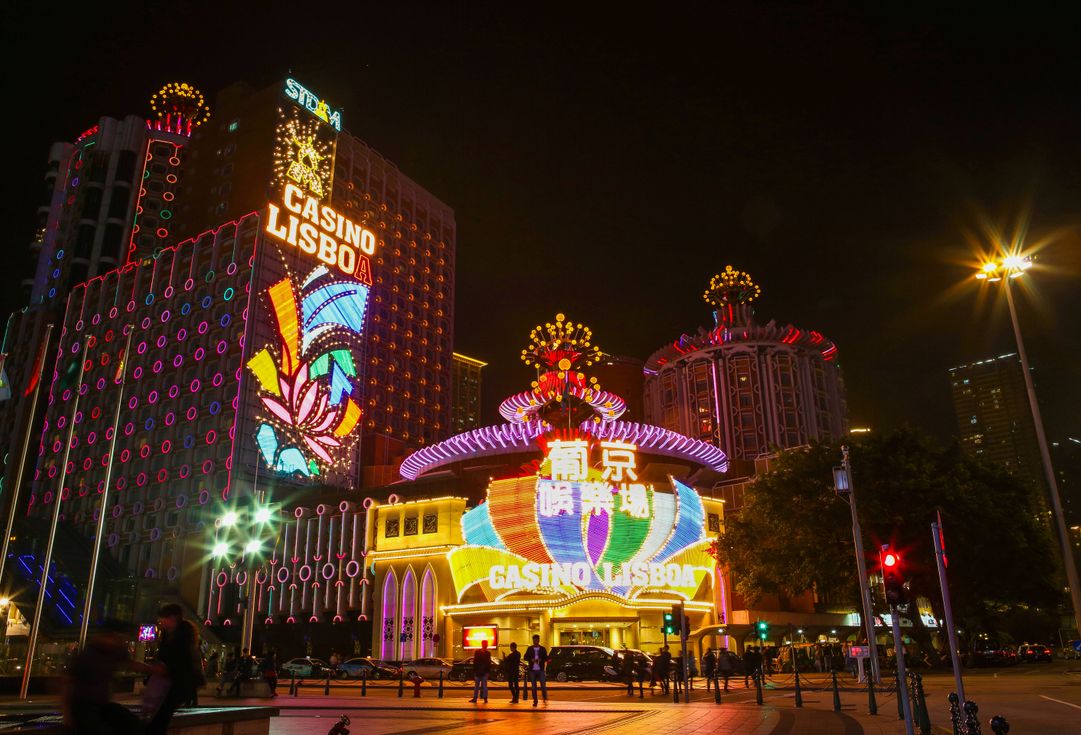

L’arte del design nei casinò moderni: come creare spazi di gioco avvincenti per tutti

Il design di un casinò non è più soltanto questione di eleganza superficiale; è l’arte di orchestrare luci, suoni, colori e materiali per guidare il giocatore verso un’esperienza immersiva e, soprattutto, redditizia. Negli ultimi anni, la crescita dei nuovi casino non AAMS ha spinto gli operatori a ricercare soluzioni estetiche che possano distinguersi in un mercato sempre più digitale. Un ambiente ben progettato può aumentare il tempo di permanenza, migliorare la percezione del valore delle puntate e persino influenzare le decisioni di wagering dei giocatori.

In questo articolo analizzeremo i passaggi fondamentali per ideare spazi di gioco avvincenti, partendo dalle radici storiche fino alle tecnologie più avanzate, passando per la scelta dei materiali, l’illuminazione, il colore, le zone di socialità, l’accessibilità, la sostenibilità e l’integrazione sensoriale. Alla fine, avrai una visione completa su come trasformare una semplice sala da gioco in un ecosistema dove ogni dettaglio contribuisce al divertimento e al profitto.

Dalla tradizione al futuro – l’evoluzione estetica dei casinò

Le radici storiche del design da sala da gioco

I primi casinò europei, come il Casinò di Venezia (1638) o il Monte Carlo, si ispiravano alle sale da ballo aristocratiche: soffitti affrescati, lampadari di cristallo e tappeti persiani. L’obiettivo era creare un’atmosfera di lusso che rendesse il gioco una forma di intrattenimento esclusivo. Le pareti erano riccamente decorate con motivi dorati e le postazioni di gioco erano separate da divisori in legno intagliato, per garantire privacy e un senso di elite.

Con l’avvento del proibizionismo negli Stati Uniti, le sale clandestine adottarono un design più sobrio, ma comunque orientato a nascondere la presenza di macchine slot e tavoli da poker. L’illuminazione era più tenue, i colori scuri e i tappeti spessi, per ridurre il rumore e mantenere un’atmosfera intima.

Tecnologie emergenti che ridefiniscono gli ambienti

Il XXI secolo ha introdotto una serie di innovazioni che hanno trasformato radicalmente il design dei casinò. La realtà aumentata (AR) permette di proiettare informazioni in tempo reale su tavoli da blackjack, mostrando probabilità di vincita e suggerimenti di strategia senza interrompere il flusso di gioco. I display OLED curvi, installati sul soffitto, creano scenari tematici che cambiano in base all’ora del giorno o al risultato di un grande jackpot.

Le piattaforme di gestione energetica basate su IoT regolano automaticamente la temperatura e la luminosità in base alla densità di persone presenti, riducendo i costi operativi e migliorando il comfort. Inoltre, i sistemi di riconoscimento facciale, se usati in modo responsabile, consentono di personalizzare l’ambiente per ogni giocatore, adattando colori e musica alle preferenze individuali.

Queste tecnologie non solo arricchiscono l’esperienza sensoriale, ma permettono anche di raccogliere dati utili per ottimizzare la disposizione delle postazioni, la frequenza di rotazione delle slot e persino l’offerta di bonus personalizzati.

Come scegliere i materiali giusti per un’atmosfera accogliente

La scelta dei materiali è il primo passo per definire il carattere di un casinò. Superfici opache o lucide, tessuti pregiati o sintetici, legno massello o metallo lavorato: ognuno di questi elementi trasmette una sensazione diversa al giocatore.

Un progettista sta valutando le superfici più adatte per il nuovo lounge del suo casinò; per avere un’idea concreta di come le finiture influenzino l’esperienza del giocatore, osserva i layout proposti da alcuni dei migliori casino online, dove la combinazione di luci e texture è studiata per massimizzare il comfort.

Materiali tradizionali vs. innovativi

Elemento Tradizionale Innovativo Impatto sul giocatore
Pavimento Marmo lucido Resina epoxica anti‑scivolo Il marmo amplifica il senso di lusso, ma può risultare freddo; la resina offre sicurezza e un look moderno
Rivestimenti Pelle di alta qualità Tessuto tecnico traspirante La pelle è percepita come esclusiva, mentre i tessuti tecnici aumentano il comfort in ambienti caldi
Pareti Pannelli in legno intagliato Pannelli in fibra di vetro con retroilluminazione Il legno evoca tradizione, la fibra di vetro permette giochi di luce dinamici

Consigli pratici per la selezione

  • Durata: le superfici devono resistere a un traffico elevato e a eventuali fuoriuscite di bevande. La resina e i rivestimenti in PVC rinforzato sono ottime scelte.
  • Acustica: pannelli fonoassorbenti in fibra di lana o schiuma melamminica riducono il riverbero, creando un ambiente più intimo per le slot e le tavole.
  • Manutenzione: materiali facili da pulire, come il laminato ad alta pressione, riducono i costi di gestione e mantengono l’aspetto “nuovo” più a lungo.

Esempio concreto

Un nuovo casinò a Milano ha optato per un pavimento in resina con inserti di pietra naturale per creare un effetto “cascata” che guida i giocatori verso le zone più profittevoli, come le slot ad alta volatilità. Le pareti sono rivestite con pannelli di tessuto tecnico, che assorbono il rumore delle macchine e offrono una sensazione di calore, particolarmente apprezzata durante le fredde serate autunnali.

L’illuminazione come protagonista dell’esperienza di gioco

L’illuminazione è l’elemento più sottile ma più potente nel design di un casinò. Un’illuminazione ben studiata può accentuare la tensione di una mano di poker, rendere più invitante una slot machine o guidare il flusso dei clienti verso aree di maggior profitto.

Luci d’ambiente vs. luci focali: quando usarle

Le luci d’ambiente, diffuse da pannelli a LED o da lampade a sospensione, creano un’atmosfera generale e influenzano la percezione di spazio. Sono ideali nelle aree lounge e nei corridoi, dove un’illuminazione morbida invita i giocatori a rilassarsi e a consumare bevande.

Le luci focali, invece, sono concentrate su postazioni di gioco specifiche. Spot a LED con temperatura di colore più alta (circa 5000 K) aumentano la chiarezza visiva sulle slot, favorendo una migliore lettura delle combinazioni di simboli. Nei tavoli da roulette, le luci direzionali evidenziano il bordo rosso e nero, accentuando l’emozione del giro.

Effetti dinamici e scenografie luminose

Le installazioni di luce dinamica, controllate da software di DMX, consentono di variare colore e intensità in tempo reale. Durante un jackpot record, le luci si accendono in sequenza, creando un effetto “cascata” che attira l’attenzione di tutti i presenti. Alcuni casinò hanno introdotto pareti video a LED che simulano un tramonto tropicale, sincronizzando l’effetto con la musica di sottofondo per un’esperienza multisensoriale.

Un esempio pratico: il nuovo resort di Ibiza utilizza lampade a LED RGB nei corridoi principali; quando una slot “Megaplay” raggiunge il massimo payout, le luci cambiano da bianco freddo a rosso pulsante, segnalando a tutti i visitatori l’evento.

Il ruolo del colore nella psicologia del giocatore

Il colore è un linguaggio non verbale che influisce direttamente sul comportamento del giocatore. Il rosso stimola l’energia e l’urgenza, ideale per aree con promozioni flash. Il blu, invece, trasmette calma e fiducia, perfetto per le sale private di poker dove i giocatori cercano concentrazione.

Le tonalità oro e rame sono associate al lusso e alla ricchezza; per questo sono spesso impiegate nei bordi delle slot premium e nei menù dei bonus. Nei nuovi casino non AAMS, i designer sperimentano con palette “neon” per attrarre una clientela più giovane, abituata ai giochi mobile con interfacce vivaci.

Una buona pratica è utilizzare il colore per guidare il flusso di traffico: un tappeto rosso che conduce dalla reception alle slot high‑roller, oppure una zona verde dedicata alle scommesse sportive, dove il verde richiama la familiarità dei campi da gioco.

Spazi di socialità – aree lounge, bar e ristorazione

Progettare zone di relax senza interrompere il flusso di gioco

Le aree lounge devono essere posizionate strategicamente: abbastanza distanti da non distrarre i giocatori alle slot, ma abbastanza vicine da incentivare pause brevi e consumi. Un layout a “isola” con tavoli modulabili permette di creare micro‑spazi per gruppi di 2‑4 persone, mantenendo una vista aperta sul piano principale.

I divisori in vetro satinato offrono privacy senza bloccare la luce, favorendo una percezione di continuità visiva. Le sedute ergonomiche con supporto lombare incoraggiano i clienti a rimanere più a lungo, aumentando la probabilità di tornare al gioco dopo una pausa caffè.

Cibo e bevande: design funzionale per la massima fruibilità

Il bar deve avere un bancone a “U” che consente al personale di servire più clienti simultaneamente, riducendo le code. Le vetrine refrigerate integrate nel bancone mostrano snack e cocktail in modo accattivante, mentre le superfici in acciaio inox facilitano la pulizia rapida.

Un menu digitale su tablet, collegato al sistema di fidelizzazione del casinò, può suggerire offerte personalizzate (ad esempio, “20 % di sconto sul cocktail se la tua puntata totale supera i 500 €”). Questo approccio aumenta l’interazione tra il servizio di ristorazione e l’esperienza di gioco, generando ulteriori entrate.

Accessibilità e inclusività: design per tutti i visitatori

Un casinò moderno deve essere accessibile a persone con mobilità ridotta, ipovedenti e altre esigenze speciali. Le rampe in acciaio inox con finitura antiscivolo garantiscono l’accesso ai piani superiori, mentre i percorsi a larghezza minima di 1,20 m facilitano il passaggio di sedie a rotelle.

I tavoli da gioco possono includere superfici tattili in rilievo per i giocatori ipovedenti, con segnapunti braille per le slot più popolari. Le luci regolabili in intensità, controllabili tramite pannelli touch, consentono di ridurre l’abbagliamento per chi è sensibile alla luce.

Infine, la segnaletica multilingue, posizionata a intervalli di 8 m, aiuta i turisti internazionali a orientarsi senza difficoltà. Un esempio virtuoso è il casinò di Barcellona, che ha introdotto un’app mobile con mappe interattive per guidare gli utenti con disabilità visive verso le proprie postazioni preferite.

Sostenibilità e design verde nei casinò contemporanei

La sostenibilità è ormai un requisito imprescindibile per gli operatori che vogliono distinguersi. L’utilizzo di pannelli solari sul tetto, combinato a sistemi di accumulo energetico, permette di alimentare le luci LED e i display OLED riducendo la dipendenza dalla rete.

I materiali riciclati, come il parquet in legno certificato FSC e le pareti in cartongesso riciclato, diminuiscono l’impatto ambientale senza sacrificare l’estetica. Inoltre, i sistemi di recupero dell’acqua piovana vengono impiegati per l’irrigazione dei giardini verticali all’interno delle aree lounge, creando un micro‑clima più fresco e salutare.

Un casinò di Valencia ha implementato un “circuito chiuso” per la climatizzazione: l’aria calda estratta dalle macchine slot viene filtrata e reimmessa per il raffrescamento delle aree bar, riducendo il consumo di energia del 30 %.

L’esperienza sensoriale integrata: suono, aroma e tatto

Oltre alla vista, gli altri sensi giocano un ruolo cruciale. Un sottofondo musicale soft, con bassi leggeri, può aumentare la percezione di tempo prolungato, incoraggiando i giocatori a rimanere più a lungo. Le playlist sono spesso programmate in base al ritmo di gioco: brani più energici durante le promozioni flash, melodie rilassanti nelle lounge.

Gli aromi, diffusi tramite sistemi di nebulizzazione, possono influenzare l’umore. Note di agrumi favoriscono la concentrazione, mentre profumi di vaniglia aumentano la sensazione di comfort. Alcuni casinò sperimentano con aromi “cash” (una leggera fragranza di monete) per associare l’ambiente al concetto di vincita.

Il tatto è curato attraverso superfici lisce per i pulsanti delle slot e texture morbide per i braccioli delle sedute. I giocatori apprezzano una risposta tattile nitida quando vincono: un leggero vibrazione del tavolo da roulette, ad esempio, amplifica l’emozione del risultato.

Il futuro del design dei casinò: realtà aumentata e spazi ibridi

La realtà aumentata sta per rivoluzionare il modo in cui i giocatori interagiscono con lo spazio fisico. Immagina di indossare occhiali AR mentre cammini nel casinò: le slot più vicine si illuminano con una cornice virtuale che mostra il RTP, la volatilità e le ultime promozioni. I tavoli da blackjack potrebbero proiettare le statistiche in tempo reale, consentendo ai principianti di apprendere le strategie direttamente al tavolo.

Gli spazi ibridi combinano il gioco tradizionale con le esperienze online. Una zona “e‑sport lounge” offre postazioni con monitor 4K, dove i clienti possono scommettere in tempo reale su tornei di videogiochi, mentre allo stesso tempo possono accedere a un’area slot con temi ispirati ai personaggi degli e‑sport.

Queste innovazioni richiedono infrastrutture di rete ultra‑veloce (5G o Wi‑Fi 6E) e una progettazione modulare che consenta di riconfigurare rapidamente gli spazi in base alle tendenze di mercato. Il risultato è un casinò che si adatta dinamicamente alle preferenze dei giocatori, mantenendo alta la frequenza di visita e la fidelizzazione.

Conclusione

Il design dei casinò moderni è un crogiolo di tradizione, tecnologia e attenzione al benessere del cliente. Dalla scelta dei materiali alla gestione dell’illuminazione, dal colore alla creazione di spazi sociali, ogni decisione influisce sulla percezione del valore e sulla durata della permanenza.

Le nuove tendenze, come la realtà aumentata e gli spazi ibridi, aprono la porta a esperienze sempre più personalizzate, mentre la sostenibilità e l’accessibilità garantiscono che il divertimento sia alla portata di tutti. Un approccio olistico, che combina estetica, funzionalità e innovazione, è la chiave per trasformare un semplice locale di gioco in un vero e proprio punto di riferimento per i nuovi casino non AAMS e per chi cerca un’esperienza di gioco coinvolgente e responsabile.

L’arte del design nei casinò moderni: come creare spazi di gioco avvincenti per tutti

Il design di un casinò non è più soltanto questione di eleganza superficiale; è l’arte di orchestrare luci, suoni, colori e materiali per guidare il giocatore verso un’esperienza immersiva e, soprattutto, redditizia. Negli ultimi anni, la crescita dei nuovi casino non AAMS ha spinto gli operatori a ricercare soluzioni estetiche che possano distinguersi in un mercato sempre più digitale. Un ambiente ben progettato può aumentare il tempo di permanenza, migliorare la percezione del valore delle puntate e persino influenzare le decisioni di wagering dei giocatori.

In questo articolo analizzeremo i passaggi fondamentali per ideare spazi di gioco avvincenti, partendo dalle radici storiche fino alle tecnologie più avanzate, passando per la scelta dei materiali, l’illuminazione, il colore, le zone di socialità, l’accessibilità, la sostenibilità e l’integrazione sensoriale. Alla fine, avrai una visione completa su come trasformare una semplice sala da gioco in un ecosistema dove ogni dettaglio contribuisce al divertimento e al profitto.

Dalla tradizione al futuro – l’evoluzione estetica dei casinò

Le radici storiche del design da sala da gioco

I primi casinò europei, come il Casinò di Venezia (1638) o il Monte Carlo, si ispiravano alle sale da ballo aristocratiche: soffitti affrescati, lampadari di cristallo e tappeti persiani. L’obiettivo era creare un’atmosfera di lusso che rendesse il gioco una forma di intrattenimento esclusivo. Le pareti erano riccamente decorate con motivi dorati e le postazioni di gioco erano separate da divisori in legno intagliato, per garantire privacy e un senso di elite.

Con l’avvento del proibizionismo negli Stati Uniti, le sale clandestine adottarono un design più sobrio, ma comunque orientato a nascondere la presenza di macchine slot e tavoli da poker. L’illuminazione era più tenue, i colori scuri e i tappeti spessi, per ridurre il rumore e mantenere un’atmosfera intima.

Tecnologie emergenti che ridefiniscono gli ambienti

Il XXI secolo ha introdotto una serie di innovazioni che hanno trasformato radicalmente il design dei casinò. La realtà aumentata (AR) permette di proiettare informazioni in tempo reale su tavoli da blackjack, mostrando probabilità di vincita e suggerimenti di strategia senza interrompere il flusso di gioco. I display OLED curvi, installati sul soffitto, creano scenari tematici che cambiano in base all’ora del giorno o al risultato di un grande jackpot.

Le piattaforme di gestione energetica basate su IoT regolano automaticamente la temperatura e la luminosità in base alla densità di persone presenti, riducendo i costi operativi e migliorando il comfort. Inoltre, i sistemi di riconoscimento facciale, se usati in modo responsabile, consentono di personalizzare l’ambiente per ogni giocatore, adattando colori e musica alle preferenze individuali.

Queste tecnologie non solo arricchiscono l’esperienza sensoriale, ma permettono anche di raccogliere dati utili per ottimizzare la disposizione delle postazioni, la frequenza di rotazione delle slot e persino l’offerta di bonus personalizzati.

Come scegliere i materiali giusti per un’atmosfera accogliente

La scelta dei materiali è il primo passo per definire il carattere di un casinò. Superfici opache o lucide, tessuti pregiati o sintetici, legno massello o metallo lavorato: ognuno di questi elementi trasmette una sensazione diversa al giocatore.

Un progettista sta valutando le superfici più adatte per il nuovo lounge del suo casinò; per avere un’idea concreta di come le finiture influenzino l’esperienza del giocatore, osserva i layout proposti da alcuni dei migliori casino online, dove la combinazione di luci e texture è studiata per massimizzare il comfort.

Materiali tradizionali vs. innovativi

Elemento Tradizionale Innovativo Impatto sul giocatore
Pavimento Marmo lucido Resina epoxica anti‑scivolo Il marmo amplifica il senso di lusso, ma può risultare freddo; la resina offre sicurezza e un look moderno
Rivestimenti Pelle di alta qualità Tessuto tecnico traspirante La pelle è percepita come esclusiva, mentre i tessuti tecnici aumentano il comfort in ambienti caldi
Pareti Pannelli in legno intagliato Pannelli in fibra di vetro con retroilluminazione Il legno evoca tradizione, la fibra di vetro permette giochi di luce dinamici

Consigli pratici per la selezione

  • Durata: le superfici devono resistere a un traffico elevato e a eventuali fuoriuscite di bevande. La resina e i rivestimenti in PVC rinforzato sono ottime scelte.
  • Acustica: pannelli fonoassorbenti in fibra di lana o schiuma melamminica riducono il riverbero, creando un ambiente più intimo per le slot e le tavole.
  • Manutenzione: materiali facili da pulire, come il laminato ad alta pressione, riducono i costi di gestione e mantengono l’aspetto “nuovo” più a lungo.

Esempio concreto

Un nuovo casinò a Milano ha optato per un pavimento in resina con inserti di pietra naturale per creare un effetto “cascata” che guida i giocatori verso le zone più profittevoli, come le slot ad alta volatilità. Le pareti sono rivestite con pannelli di tessuto tecnico, che assorbono il rumore delle macchine e offrono una sensazione di calore, particolarmente apprezzata durante le fredde serate autunnali.

L’illuminazione come protagonista dell’esperienza di gioco

L’illuminazione è l’elemento più sottile ma più potente nel design di un casinò. Un’illuminazione ben studiata può accentuare la tensione di una mano di poker, rendere più invitante una slot machine o guidare il flusso dei clienti verso aree di maggior profitto.

Luci d’ambiente vs. luci focali: quando usarle

Le luci d’ambiente, diffuse da pannelli a LED o da lampade a sospensione, creano un’atmosfera generale e influenzano la percezione di spazio. Sono ideali nelle aree lounge e nei corridoi, dove un’illuminazione morbida invita i giocatori a rilassarsi e a consumare bevande.

Le luci focali, invece, sono concentrate su postazioni di gioco specifiche. Spot a LED con temperatura di colore più alta (circa 5000 K) aumentano la chiarezza visiva sulle slot, favorendo una migliore lettura delle combinazioni di simboli. Nei tavoli da roulette, le luci direzionali evidenziano il bordo rosso e nero, accentuando l’emozione del giro.

Effetti dinamici e scenografie luminose

Le installazioni di luce dinamica, controllate da software di DMX, consentono di variare colore e intensità in tempo reale. Durante un jackpot record, le luci si accendono in sequenza, creando un effetto “cascata” che attira l’attenzione di tutti i presenti. Alcuni casinò hanno introdotto pareti video a LED che simulano un tramonto tropicale, sincronizzando l’effetto con la musica di sottofondo per un’esperienza multisensoriale.

Un esempio pratico: il nuovo resort di Ibiza utilizza lampade a LED RGB nei corridoi principali; quando una slot “Megaplay” raggiunge il massimo payout, le luci cambiano da bianco freddo a rosso pulsante, segnalando a tutti i visitatori l’evento.

Il ruolo del colore nella psicologia del giocatore

Il colore è un linguaggio non verbale che influisce direttamente sul comportamento del giocatore. Il rosso stimola l’energia e l’urgenza, ideale per aree con promozioni flash. Il blu, invece, trasmette calma e fiducia, perfetto per le sale private di poker dove i giocatori cercano concentrazione.

Le tonalità oro e rame sono associate al lusso e alla ricchezza; per questo sono spesso impiegate nei bordi delle slot premium e nei menù dei bonus. Nei nuovi casino non AAMS, i designer sperimentano con palette “neon” per attrarre una clientela più giovane, abituata ai giochi mobile con interfacce vivaci.

Una buona pratica è utilizzare il colore per guidare il flusso di traffico: un tappeto rosso che conduce dalla reception alle slot high‑roller, oppure una zona verde dedicata alle scommesse sportive, dove il verde richiama la familiarità dei campi da gioco.

Spazi di socialità – aree lounge, bar e ristorazione

Progettare zone di relax senza interrompere il flusso di gioco

Le aree lounge devono essere posizionate strategicamente: abbastanza distanti da non distrarre i giocatori alle slot, ma abbastanza vicine da incentivare pause brevi e consumi. Un layout a “isola” con tavoli modulabili permette di creare micro‑spazi per gruppi di 2‑4 persone, mantenendo una vista aperta sul piano principale.

I divisori in vetro satinato offrono privacy senza bloccare la luce, favorendo una percezione di continuità visiva. Le sedute ergonomiche con supporto lombare incoraggiano i clienti a rimanere più a lungo, aumentando la probabilità di tornare al gioco dopo una pausa caffè.

Cibo e bevande: design funzionale per la massima fruibilità

Il bar deve avere un bancone a “U” che consente al personale di servire più clienti simultaneamente, riducendo le code. Le vetrine refrigerate integrate nel bancone mostrano snack e cocktail in modo accattivante, mentre le superfici in acciaio inox facilitano la pulizia rapida.

Un menu digitale su tablet, collegato al sistema di fidelizzazione del casinò, può suggerire offerte personalizzate (ad esempio, “20 % di sconto sul cocktail se la tua puntata totale supera i 500 €”). Questo approccio aumenta l’interazione tra il servizio di ristorazione e l’esperienza di gioco, generando ulteriori entrate.

Accessibilità e inclusività: design per tutti i visitatori

Un casinò moderno deve essere accessibile a persone con mobilità ridotta, ipovedenti e altre esigenze speciali. Le rampe in acciaio inox con finitura antiscivolo garantiscono l’accesso ai piani superiori, mentre i percorsi a larghezza minima di 1,20 m facilitano il passaggio di sedie a rotelle.

I tavoli da gioco possono includere superfici tattili in rilievo per i giocatori ipovedenti, con segnapunti braille per le slot più popolari. Le luci regolabili in intensità, controllabili tramite pannelli touch, consentono di ridurre l’abbagliamento per chi è sensibile alla luce.

Infine, la segnaletica multilingue, posizionata a intervalli di 8 m, aiuta i turisti internazionali a orientarsi senza difficoltà. Un esempio virtuoso è il casinò di Barcellona, che ha introdotto un’app mobile con mappe interattive per guidare gli utenti con disabilità visive verso le proprie postazioni preferite.

Sostenibilità e design verde nei casinò contemporanei

La sostenibilità è ormai un requisito imprescindibile per gli operatori che vogliono distinguersi. L’utilizzo di pannelli solari sul tetto, combinato a sistemi di accumulo energetico, permette di alimentare le luci LED e i display OLED riducendo la dipendenza dalla rete.

I materiali riciclati, come il parquet in legno certificato FSC e le pareti in cartongesso riciclato, diminuiscono l’impatto ambientale senza sacrificare l’estetica. Inoltre, i sistemi di recupero dell’acqua piovana vengono impiegati per l’irrigazione dei giardini verticali all’interno delle aree lounge, creando un micro‑clima più fresco e salutare.

Un casinò di Valencia ha implementato un “circuito chiuso” per la climatizzazione: l’aria calda estratta dalle macchine slot viene filtrata e reimmessa per il raffrescamento delle aree bar, riducendo il consumo di energia del 30 %.

L’esperienza sensoriale integrata: suono, aroma e tatto

Oltre alla vista, gli altri sensi giocano un ruolo cruciale. Un sottofondo musicale soft, con bassi leggeri, può aumentare la percezione di tempo prolungato, incoraggiando i giocatori a rimanere più a lungo. Le playlist sono spesso programmate in base al ritmo di gioco: brani più energici durante le promozioni flash, melodie rilassanti nelle lounge.

Gli aromi, diffusi tramite sistemi di nebulizzazione, possono influenzare l’umore. Note di agrumi favoriscono la concentrazione, mentre profumi di vaniglia aumentano la sensazione di comfort. Alcuni casinò sperimentano con aromi “cash” (una leggera fragranza di monete) per associare l’ambiente al concetto di vincita.

Il tatto è curato attraverso superfici lisce per i pulsanti delle slot e texture morbide per i braccioli delle sedute. I giocatori apprezzano una risposta tattile nitida quando vincono: un leggero vibrazione del tavolo da roulette, ad esempio, amplifica l’emozione del risultato.

Il futuro del design dei casinò: realtà aumentata e spazi ibridi

La realtà aumentata sta per rivoluzionare il modo in cui i giocatori interagiscono con lo spazio fisico. Immagina di indossare occhiali AR mentre cammini nel casinò: le slot più vicine si illuminano con una cornice virtuale che mostra il RTP, la volatilità e le ultime promozioni. I tavoli da blackjack potrebbero proiettare le statistiche in tempo reale, consentendo ai principianti di apprendere le strategie direttamente al tavolo.

Gli spazi ibridi combinano il gioco tradizionale con le esperienze online. Una zona “e‑sport lounge” offre postazioni con monitor 4K, dove i clienti possono scommettere in tempo reale su tornei di videogiochi, mentre allo stesso tempo possono accedere a un’area slot con temi ispirati ai personaggi degli e‑sport.

Queste innovazioni richiedono infrastrutture di rete ultra‑veloce (5G o Wi‑Fi 6E) e una progettazione modulare che consenta di riconfigurare rapidamente gli spazi in base alle tendenze di mercato. Il risultato è un casinò che si adatta dinamicamente alle preferenze dei giocatori, mantenendo alta la frequenza di visita e la fidelizzazione.

Conclusione

Il design dei casinò moderni è un crogiolo di tradizione, tecnologia e attenzione al benessere del cliente. Dalla scelta dei materiali alla gestione dell’illuminazione, dal colore alla creazione di spazi sociali, ogni decisione influisce sulla percezione del valore e sulla durata della permanenza.

Le nuove tendenze, come la realtà aumentata e gli spazi ibridi, aprono la porta a esperienze sempre più personalizzate, mentre la sostenibilità e l’accessibilità garantiscono che il divertimento sia alla portata di tutti. Un approccio olistico, che combina estetica, funzionalità e innovazione, è la chiave per trasformare un semplice locale di gioco in un vero e proprio punto di riferimento per i nuovi casino non AAMS e per chi cerca un’esperienza di gioco coinvolgente e responsabile.

Les héros du service client des casinos en ligne – Comment les stratégies de cashback transforment les réclamations en réussites

Dans l’univers impitoyable des casinos en ligne, le jeu ne suffit plus à garantir la satisfaction des joueurs. Au‑delà du RTP, de la volatilité et des jackpots flamboyants, les joueurs attendent un accompagnement réactif dès le premier signe de problème : délai de retrait bloqué, bonus non crédité, ou simple question de sécurité. Le service client devient alors le dernier rempart entre l’expérience positive et le découragement, et il doit pouvoir répondre à des attentes élevées tout en respectant les exigences de licences strictes comme la licence ANJ ou le cadre du UKGC.

Parmi les outils à la disposition des équipes d’assistance, le cashback s’est imposé comme un véritable levier de fidélisation. En offrant une remise partielle sur les pertes, il désamorce les tensions, crée un sentiment de reconnaissance et transforme une plainte en opportunité de réengagement. Pour découvrir comment les initiatives éco‑responsables s’intègrent aux plateformes de jeu, consultez le site de casino en ligne.

Cet article décortiquera des études de cas réelles, identifiera les tendances émergentes du cashback et proposera des bonnes pratiques pour que chaque réclamation devienne une réussite durable.

1. L’évolution du service client dans les casinos numériques

Le support client des casinos en ligne a parcouru un long chemin depuis les premières lignes téléphoniques des années 2000. Au départ, les joueurs devaient composer un numéro international, subir de longues attentes et souvent se contenter d’un opérateur qui ne maîtrisait pas les spécificités du jeu. L’avènement du chat en direct a réduit les délais de réponse, tandis que l’introduction d’assistants virtuels alimentés par l’IA a permis de résoudre les requêtes basiques 24 h/24.

La réglementation a joué un rôle catalyseur. Les licences de Malte, la UKGC et plus récemment l’Autorité Nationale des Jeux (ANJ) imposent des obligations de temps de réponse, de transparence et de traçabilité des interactions. Ainsi, les opérateurs doivent fournir des procédures documentées et des enregistrements de chaque échange, sous peine de sanctions financières.

Selon une étude de l’Observatoire du Jeu en ligne publiée en 2023, le temps moyen de première réponse est passé de 12 minutes à 3 minutes, tandis que le taux de résolution au premier contact a grimpé de 58 % à 79 %. Ces chiffres illustrent l’impact direct des exigences réglementaires combinées aux progrès technologiques.

1.1. L’avènement des équipes multilingues

Les marchés européens et asiatiques exigent une prise en charge dans plusieurs langues : anglais, français, allemand, espagnol, mandarin et japonais figurent parmi les plus demandés. Une équipe multilingue réduit les frictions, diminue le taux d’abandon et renforce la perception de sécurité, surtout lorsque les joueurs manipulent des montants importants.

1.2. L’intégration des outils de suivi de tickets

Les plateformes CRM comme Zendesk ou Freshdesk offrent une vue d’ensemble de chaque ticket, de la création à la clôture. Elles permettent d’attribuer des priorités, d’automatiser des réponses et de générer des rapports post‑mortem. Une analyse des tickets clôturés montre que les problèmes récurrents (retards de paiement, bonus non reçu) sont résolus plus rapidement lorsqu’ils sont correctement tagués et suivis.

2. Le cashback : plus qu’une remise, un instrument de désescalade

Le cashback consiste à rembourser un pourcentage des mises nettes perdues sur une période définie. Il existe sous plusieurs formes : instantané (après chaque session), hebdomadaire (sur les 7 derniers jours) ou à seuil (déclenché uniquement après dépassement d’un certain montant de pertes).

Ce mécanisme apaise les tensions parce qu’il offre une compensation immédiate, montrant que le casino reconnaît la frustration du joueur. Le sentiment d’être « valorisé » augmente la propension à rester actif, même après une mauvaise passe.

Des recherches internes menées par des opérateurs européens ont montré une corrélation de -0,42 entre l’offre de cashback hebdomadaire et le taux d’abandon des joueurs à risque. En d’autres termes, plus le cashback est présent, plus le joueur est susceptible de continuer à jouer.

2.1. Modèles de calcul les plus performants

Modèle % de cashback Plafond mensuel Exemple de jeu Impact observé
Standard 5 % 150 € Roulette classique +8 % de rétention
Premium 10 % 300 € Slots à haute volatilité (e.g., Book of Dead) +15 % de dépôt moyen
VIP 15 % 1 000 € Table de blackjack premium +25 % de dépôt mensuel

Le modèle Premium, appliqué aux joueurs à forte volatilité, génère le meilleur retour sur investissement grâce à un volume de mise plus élevé.

2.2. Cas d’usage : le cashback comme réponse à une perte de mise importante

Imaginez un joueur qui perd 1 200 € en une session de slots à volatilité élevée. Le service client identifie la perte, valide le droit au cashback à 10 % et crédite 120 € sur le portefeuille du joueur dans les 24 heures. Le joueur, rassuré, effectue un dépôt supplémentaire de 300 €, augmentant ainsi son LTV de 25 %.

3. Success story : Le “Rescue Team” de CasinoX et le rebond d’un joueur VIP

CasinoX a mis en place une unité spéciale, le “Rescue Team”, dédiée aux cas critiques. En avril 2024, un joueur VIP a signalé une défaillance de paiement qui a bloqué 5 000 € de gains provenant d’un jackpot progressif. Le Rescue Team a d’abord vérifié la transaction, puis a offert un cashback de 15 % sur le montant perdu, soit 750 €.

Le joueur a reçu le remboursement en moins de deux heures, accompagné d’un message personnalisé et d’une invitation à une session de jeu exclusive. Six semaines plus tard, son dépôt mensuel était passé de 2 000 € à 2 500 €, soit une hausse de 25 %. Le cas a été documenté dans le tableau de bord KPI de CasinoX, où le taux de conversion post‑cashback a atteint 38 %, bien au‑dessus de la moyenne de 22 %.

4. Analyse des tendances : le cashback automatisé via IA

Les algorithmes d’apprentissage automatique analysent en temps réel les signaux de frustration : temps d’attente supérieur à 2 minutes, utilisation de mots-clés comme « déçu », « bloqué » ou « arnaque ». Lorsque plusieurs indicateurs se cumulent, le système déclenche automatiquement une offre de cashback personnalisée, adaptée au profil du joueur (montant, pourcentage, délai).

Cette automatisation réduit le temps d’intervention humaine de 60 % et augmente la satisfaction client de 18 % selon les premiers rapports de l’équipe R&D de BetTech. Néanmoins, des risques subsistent : sur‑compensation pouvant affecter la marge, et tentatives de fraude où des bots génèrent de fausses plaintes pour obtenir des remboursements. Les opérateurs doivent donc mettre en place des seuils de contrôle et des vérifications anti‑fraude.

5. Témoignages de joueurs : comment le cashback a changé leur perception du support

« Je débute et j’ai perdu ma première mise sur une machine à sous. Le support a immédiatement proposé un cashback de 5 % ; j’ai senti que le casino se souciait de mon expérience, et j’ai continué à jouer en toute confiance. » – Lucas, 22 ans, joueur débutant.

« En tant que joueur régulier, j’ai connu plusieurs retards de paiement. Le service client a toujours réagi avec un cashback hebdomadaire qui a compensé mes pertes et m’a évité de changer de plateforme. » – Marie, 34 ans, joueuse régulière.

« Après une grosse perte lors d’une partie de baccarat en live, le support m’a offert un cashback VIP de 15 %. Le geste a redonné du goût au jeu et j’ai doublé mon dépôt le mois suivant. » – Ahmed, 45 ans, high‑roller.

Tous soulignent la rapidité, la transparence et le sentiment d’être réellement valorisé.

6. Les meilleures pratiques pour intégrer le cashback dans la procédure de résolution

  1. Identification du problème admissible – Définir clairement les situations éligibles (panne de paiement, bonus non crédité, perte supérieure à un seuil).
  2. Validation interne – Le responsable du risque vérifie le montant, le pourcentage applicable et s’assure que le plafond n’est pas dépassé.
  3. Communication claire – Informer le joueur du montant du cashback, du délai de versement et des conditions éventuelles (wagering).
  4. Suivi post‑remboursement – Envoyer un questionnaire de satisfaction et surveiller le comportement de jeu pendant 30 jours.

6.1. Formation des agents sur l’aspect psychologique du geste

Les agents doivent comprendre que le cashback agit comme un « signal de reconnaissance ». En expliquant que le geste compense la frustration et renforce la confiance, ils peuvent personnaliser le message, utiliser un ton empathique et éviter les réponses automatisées qui paraissent froides.

6.2. Mise en place d’un tableau de bord KPI dédié

  • Taux de conversion après cashback
  • Valeur moyenne du ticket résolu
  • NPS (Net Promoter Score) post‑interaction
  • Ratio cashback / pertes totales

Ce tableau permet de mesurer l’efficacité du programme et d’ajuster les pourcentages ou les plafonds en fonction des résultats.

7. Risques juridiques et conformité liés aux programmes de cashback

Les autorités de jeu, dont la licence ANJ, imposent une transparence totale : les conditions du cashback doivent être clairement affichées dans les termes et conditions, sans ambiguïté. Les opérateurs doivent également déclarer les remboursements dans leurs rapports financiers et appliquer les taxes appropriées selon la juridiction.

En cas de non‑respect, les sanctions peuvent aller de lourdes amendes à la suspension de licence. Par exemple, un casino britannique a été sanctionné en 2022 pour avoir omis de mentionner un plafond de cashback, entraînant une amende de 250 000 £.

8. L’avenir du service client des casinos : vers un écosystème « cashback‑first »

Dans les cinq prochaines années, l’IA continuera d’affiner la détection des signaux d’insatisfaction et d’automatiser les réponses. La blockchain offrira une traçabilité immuable des remboursements, rassurant les joueurs sur la sécurité et la conformité.

On peut envisager un scénario où chaque ticket résolu déclenche automatiquement un micro‑cashback (par exemple 0,5 % du montant perdu) crédité instantanément sur le portefeuille du joueur. Ce cercle vertueux crée un lien émotionnel fort, augmente le NPS et améliore la rétention à long terme.

Conclusion

Le cashback a évolué d’une simple offre promotionnelle à un pilier stratégique du service client dans les casinos en ligne. En transformant les réclamations en récompenses tangibles, les opérateurs renforcent la fidélité, augmentent le Lifetime Value et respectent les exigences de sécurité et de licence ANJ. Les plateformes qui maîtrisent l’art du cashback intelligent – soutenu par l’IA, la blockchain et une formation adaptée des agents – se démarqueront sur un marché ultra‑compétitif. Il est temps d’envisager l’intégration d’un programme de cashback « first‑line » pour convertir chaque problème en opportunité de satisfaction durable.

Pour approfondir les bonnes pratiques et découvrir d’autres ressources, les lecteurs peuvent consulter le site Dechets Nouvelle Aquitaine, qui propose des informations utiles sur la conformité et les standards de l’industrie.

Https Realz-casino-deutschland Com: Reload-Bonus: Mehr als nur die erste Einzahlung

Im dynamischen Bereich des Online-Glücksspiels bieten Boni eine der attraktivsten Möglichkeiten für Spieler, ihren Bankroll zu optimieren. Unter den vielfältigen Promotion-Typen stechen Cashback-Angebote und Reload-Boni besonders hervor, da sie langfristige Vorteile für die Spieler bieten können. Diese beiden Bonusformen funktionieren grundlegend unterschiedlich: Während Cashback-Boni einen Teil der Verluste zurückzahlen, belohnen Reload-Boni nachfolgende Einzahlungen. Für diejenigen, die nach den besten Optionen suchen, ist es entscheidend, die Unterschiede zwischen diesen Angeboten zu verstehen. Es lohnt sich, verschiedene siti scommesse zu vergleichen, um das beste für die eigenen Spielgewohnheiten zu finden. Wer regelmäßig spielt, profitiert besonders von diesen speziellen Angeboten. Viele bookmaker online locken mit unterschiedlichen Konditionen, daher ist eine sorgfältige Prüfung unerlässlich.

Die Welt der Online-Casinos ist voller Möglichkeiten, aber nicht alle Bonusangebote sind gleichwertig. Cashback-Boni sind besonders für risikobewusste Spieler attraktiv, da sie eine Sicherheitsnetzfunktion bieten. Wenn Sie Verluste erleiden, erhalten Sie einen prozentualen Anteil zurück, was das Risiko senkt. Auf der anderen Seite sind Reload-Boni ideal für Spieler, die ihr Guthaben regelmäßig auffrischen möchten. Diese Boni werden nach der ersten Einzahlung gewährt und erlauben es Ihnen, mehr Spielzeit und Einsatzmöglichkeiten zu erhalten. Ein Blick auf die Nutzungsbedingungen bei https://realz-casino-deutschland.com/ lohnt sich vor der ersten Einzahlung. Wenn Sie nach den migliori siti scommesse suchen, achten Sie besonders auf die Konditionen dieser beiden Bonusarten. Ein siti scommesse bonus kann den Unterschied machen zwischen einem durchschnittlichen und einem herausragenden Spielerlebnis.

Ein entscheidender Faktor bei der Auswahl der richtigen Plattform ist die Transparenz der Bonusbedingungen. Seriöse siti di scommesse sportive stellen klare Regeln zur Verfügung, ohne versteckte Klauseln. Die Wahrscheinlichkeit, einen profitablen Bonus zu nutzen, hängt von diesen Bedingungen ab. Es lohnt sich, die Umsatzanforderungen, Mindesteinsätze und Sperrzeiten genau zu prüfen. Viele erfahrene Spieler bevorzugen siti scommesse online mit flexiblen Bonusprogrammen, die an verschiedene Spielertypen angepasst sind. Wenn Sie eine Plattform wie https://realz-casino-deutschland.com/ erkunden, werden Sie feststellen, dass die besten Anbieter Wert auf Fairness und Transparenz legen. Diese Eigenschaften sind die Grundlage für eine vertrauensvolle Beziehung zwischen Casino und Spieler.

Cashback und Reload Bonus im Vergleich bei deutschen Online Casinos

Was sind Cashback-Boni und wie funktionieren sie?

Grundprinzipien von Cashback-Angeboten

Cashback-Boni sind eine der playerfreundlichsten Bonusformen im Online-Glücksspiel. Ihr Konzept ist einfach: Ein bestimmter Prozentsatz Ihrer Verluste über einen definierten Zeitraum wird Ihnen zurückgezahlt. Dies kann wöchentlich, monatlich oder an anderen festgelegten Zeitintervallen erfolgen. Der genaue Betrag hängt vom Anbieter und der VIP-Stufe des Spielers ab. Ein Cashback von 10% bedeutet, dass Sie von 100€ Verlusten 10€ zurückbekommen. Diese Art von Bonus reduziert effektiv das Risiko und verlängert die Spielzeit. Viele siti scommesse bieten diese Option als Teil ihrer Treueprogramme an, um langfristige Spielerbindung zu fördern.

Vorteile von Cashback-Boni im Vergleich zu anderen Bonusarten

Im Gegensatz zu Einzahlungsboni, die oft hohe Umsatzanforderungen haben, bieten Cashback-Boni mehr Flexibilität. Sie können den erhaltenen Betrag normalerweise sofort für alle Spiele im Casino verwenden, ohne komplexe Bedingungen erfüllen zu müssen. Diese Freiheit macht Cashback-Boni besonders für erfahrene Spieler attraktiv, die wissen, wie sie ihr Geld am besten einsetzen. Außerdem können Cashback-Boni in Kombination mit anderen Angeboten genutzt werden, was die Attraktivität weiter erhöht. Viele bookmaker online kombinieren diese Boni mit speziellen Events oder Turnieren, um zusätzliche Vorteile zu schaffen. Für Spieler, die nach den migliori siti scommesse suchen, ist diese Flexibilität ein entscheidender Qualitätsmerkmal.

Reload-Bonus: Mehr als nur die erste Einzahlung

Funktionsweise von Reload-Boni

Reload-Boni sind spezielle Boni, die nach der ersten Einzahlung gewährt werden. Sie sollen Spieler ermutigen, ihr Konto regelmäßig aufzuladen, um weiteres Bonusgeld zu erhalten. Im Gegensatz zu Willkommensboni, die normalerweise nur einmalig verfügbar sind, können Reload-Boni mehrmals pro Jahr oder sogar monatlich in Anspruch genommen werden. Die Höhe dieser Boni variiert zwischen den Anbietern und liegt typischerweise zwischen 25% und 50% der eingezahlten Summe. Einige siti di scommesse sportive bieten auch spezifische Reload-Boni für bestimmte Sportereignisse oder Spiele an, um Spieler zu bestimmten Aktionen zu animieren.

Reload-Boni im Vergleich zu Willkommensboni

Während Willkommensboni darauf abzielen, neue Spieler anzulocken, zielen Reload-Boni auf die Bestandskunden ab. Sie zeigen, dass der Wert eines Spielers auch nach der Anmeldung erkannt wird. Für Spieler bedeutet dies kontinuierliche zusätzliche Mittel, die das Spielverlänger und Gewinnchancen erhöhen. Viele siti scommesse online verwenden Reload-Boni als Teil ihrer Treueprogramme, wobei die Boni mit der VIP-Stufe steigen. Ein siti scommesse bonus dieser Art ist oft die Belohnung für treue Kunden und zeigt, dass der Anbieter langfristige Beziehungen schätzt.

Vergleich von Cashback- und Reload-Boni

Umsatzbedingungen und Wettanforderungen

Einer der wichtigsten Unterschiede zwischen Cashback- und Reload-Boni liegt in den Umsatzbedingungen. Cashback-Boni sind in der Regel an geringere oder gar keine Umsatzbedingungen geknüpft, da das Bonusgeld bereits auf verlorene Einsätze basiert. Reload-Boni hingegen erfordern oft eine bestimmte Anzahl von Einsätzen, bevor das Bonusgeld ausgezahlt werden kann. Diese Bedingungen können zwischen 20x und 50x des Bonusbetrags variieren. Bei siti scommesse ist es daher wichtig, die genauen Bedingungen zu prüfen, um unangenehme Überraschungen zu vermeiden. Ein transparenter bookmaker online wird alle Bedingungen klar kommunizieren, ohne versteckte Klauseln einzubauen.

Zeitrahmen und Gültigkeitsdauer

Die Gültigkeitsdauer von Boni kann zwischen Cashback- und Reload-Angeboten stark variieren. Cashback-Boni werden oft wöchentlich oder monatlich gutgeschrieben und müssen innerhalb dieses Zeitraums verwendet werden. Reload-Boni hingegen haben oft längere Gültigkeitsdauer, manchmal bis zu 30 Tage. Einige migliori siti scommesse bieten spezielle “Flash-Reload-Boni” an, die nur für wenige Stunden gültig sind, um Dringlichkeit zu erzeugen. Diese zeitlich begrenzten Angebote können besonders lukrativ sein, da sie oft höhere Bonussätze beinhalten. Spieler sollten sich immer bewusst sein, wie lange sie Zeit haben, ein Angebot in Anspruch zu nehmen.

Kriterium Cashback-Bonus Reload-Bonus
Berechnungsgrundlage Prozentuale Rückerstattung von Verlusten Boni auf nachfolgende Einzahlungen
Umsatzbedingungen Meist sehr niedrig oder nicht vorhanden Höher, typischerweise 20x-50x
Gültigkeitsdauer Kurz (Wochen oder Monate) Länger (oft 30 Tage)
Spieleinschränkungen Meist keine oder geringe Oft auf bestimmte Spiele beschränkt
Risikoreduktion Hoch (direkte Verlustkompensation) Mittel (erhöhte Spielzeit)
Zielgruppe Alle Spieler, besonders risikobewusste Regelmäßig einzahlende Spieler

Wer

Häufige Fragen

Was bedeutet die Umsatzbedingung bei einem Bonus?
Der Bonusbetrag muss mehrfach im Casino eingesetzt werden, bevor Gewinne zur Auszahlung freigegeben werden.

Was tun, wenn Spielen zum Problem wird?
Sofortige Einzahlungslimits oder eine Spielsperre über OASIS setzen und Beratungsstellen wie die BZgA nutzen.

Sind Gewinne aus dem Online Casino steuerfrei?
In Deutschland bleiben Glücksspielgewinne für private Spieler grundsätzlich steuerfrei, weil auf Einsätze bereits Abgaben erhoben werden.

Mastering Live‑Dealer Baccarat: From First Bet to High‑Stakes Play

The rise of live‑dealer tables has turned online gambling into a theater, and baccarat sits at the center of the spotlight. While slots dominate traffic charts, the elegance of a hand‑to‑hand showdown between Player and Banker continues to attract high‑rollers and casual bettors alike. Streaming studios now replicate the velvet‑curtained ambience of Monte Carlo, delivering real‑time card dealing, dealer chatter, and the subtle tension of a physical shoe—all from a desktop or mobile device.

For players looking for a reputable venue to test their skills, the online casino singapore real money market offers a range of licensed operators with robust live‑dealer offerings. Sites listed on Ecoscorecard can serve as a starting point for locating trustworthy platforms, though the site itself does not endorse any particular operator.

In this technical deep‑dive we will dissect the live‑dealer baccarat experience from three angles: the mechanics of the table, the strategic foundations for beginners, and the nuanced tactics that high‑rollers employ. You’ll learn how to read the shoe, evaluate side bets, manage bankrolls, and even optimise play on mobile devices. By the end, the once‑mystifying world of live‑dealer baccarat will feel as familiar as a favorite casino app.

The Anatomy of a Live‑Dealer Baccarat Table

A modern live‑dealer studio resembles a high‑end TV set more than a casino floor. Three HD cameras capture the dealer’s face, the card shoe, and a top‑down view of the layout, switching seamlessly as the action unfolds. The dealer greets players through a low‑latency audio channel, creating a conversational atmosphere that mimics an in‑person table.

Betting zones are clearly delineated on a digital interface: the Player box, the Banker box, and the Tie box sit at the bottom, while side‑bet panels—such as 3‑Card Bonus or Dragon Bonus—appear on the right‑hand side. Each zone lights up when a wager is placed, confirming the amount before the shoe is dealt.

The shoe typically contains eight decks, shuffled in a sealed machine before the session begins. A cut‑card is inserted after roughly 75 % of the cards have been dealt, signalling the end of the current shoe and prompting a fresh shuffle. Dealers follow a preset dealing speed—usually 1.5 seconds per card—to balance excitement with clarity.

Latency, once a major obstacle, has been reduced to under 300 milliseconds on most platforms thanks to adaptive bitrate streaming and edge‑server distribution. This ensures that the moment a dealer flips a card, the image appears on the player’s screen almost instantly, preserving the integrity of the game.

Choosing the Right Platform: Licensing, RNG vs. Live, and Software Providers

Safety begins with licensing. Reputable jurisdictions such as the Malta Gaming Authority (MGA), the United Kingdom Gambling Commission (UKGC), and the Singapore Totalisator Board enforce strict audit trails, player fund segregation, and regular fairness testing. A licensed operator will display its credentials prominently, and the information can be cross‑checked on sites like Ecoscorecard for verification.

RNG baccarat generates outcomes algorithmically, offering instant play but lacking the human element. Live‑dealer baccarat, by contrast, streams a real dealer handling physical cards, delivering authentic variance and the psychological cues that many players value. The trade‑off is slightly higher variance due to slower betting cycles.

Leading providers shape the live‑dealer landscape:

Provider Camera Setup Unique Feature Typical Minimum Bet
Evolution 4‑camera multi‑angle “Squeeze” card reveal $5
Playtech 3‑camera with dealer chat Integrated loyalty tiers $10
NetEnt 2‑camera streamlined “Bet Behind” for shadow betting $8

When evaluating a site, use this checklist:

  • Valid MGA/UKGC licence displayed.
  • Clear information about the live‑dealer studio location.
  • Transparent RTP and house edge disclosures.
  • Availability of multiple software providers for redundancy.

Choosing a platform that meets these criteria reduces the risk of unfair play and ensures a smoother, more enjoyable experience.

Fundamental Baccarat Strategies for Beginners

The simplest, statistically sound approach is to wager on the Banker every hand. The Banker bet carries a house edge of roughly 1.06 % after the standard 5 % commission, making it the most profitable long‑term option.

For those who enjoy structured betting, the 1‑3‑2‑6 system offers a modest risk‑reward curve: bet one unit on the first win, three on the second, two on the third, and six on the fourth. If a loss occurs at any stage, the sequence resets. This method caps exposure while still capitalising on short winning streaks.

The Martingale, a classic double‑up strategy, can quickly deplete a modest bankroll because a single loss forces the next bet to double. In live‑dealer baccarat, where shoe‑level streaks can be long, the Martingale’s risk often outweighs its allure.

Beginners should also learn to read the shoe. A quick glance at the cut‑card position can indicate how many cards remain; a shoe nearing its end often experiences a shift in Banker‑Player win ratios. Avoid chasing losses and stick to a pre‑determined stake size—typically 1‑2 % of total bankroll per hand.

Advanced Decision‑Making: Tracking Patterns and Using Side Bets Wisely

Pattern Tracking Techniques

Seasoned players employ visual “road” charts to spot emerging trends. The Big Road tracks Banker and Player wins as red and blue blocks, while the Bead Plate records individual outcomes in a compact grid. By analysing streak length and direction, players attempt to anticipate the next result. For example, a long Banker streak on the Big Road may suggest an imminent Player win, a phenomenon some call “the reversal effect.”

Evaluating Side Bets

Side bets add excitement but usually carry a higher house edge. The 3‑Card Bonus, which pays on a Player’s three‑card hand beating the Banker’s, has an edge of around 3.5 % when the bonus pays 10 : 1. Dragon Bonus, which rewards a win by a margin of five or more points, offers a slightly better edge at 2.8 % with a 25 : 1 payout.

A quick expected value (EV) calculation helps decide when to place a side bet:

EV = (Probability of win × payout) – (Probability of loss × stake)

If the EV is negative, the side bet should be avoided unless you are seeking pure entertainment value.

Deviating from the Banker Baseline

When a shoe shows a pronounced pattern—say, ten consecutive Banker wins—some players shift to Player bets, banking on the statistical likelihood of a reversal. This deviation should be accompanied by strict bankroll limits, as variance can spike dramatically.

Bankroll Management for High‑Variance Sessions

High‑variance play demands a larger reserve. A common rule is to allocate no more than 5 % of total bankroll to any single session. For a $10,000 bankroll, this translates to a $500 session limit, allowing room for inevitable downswings without jeopardising the overall fund.

The Psychology of the Live Table: Reading the Dealer and Other Players

Live video introduces subtle cues that are absent in RNG games. A dealer’s tone, eye contact, and hand movements can influence perception. For instance, a dealer who smiles after a Banker win may unconsciously signal confidence, prompting players to stay on the Banker side.

Observing other players’ betting patterns in the chat window can also provide insight. If several participants suddenly increase their Player wagers, it may indicate a collective belief in an upcoming reversal. However, herd behaviour can be misleading; disciplined players rely on their own analysis rather than crowd sentiment.

Tilt—emotional frustration after a losing streak—can erode decision‑making. The live‑chat environment, with its constant stream of comments and emojis, can exacerbate tilt. Implementing timed breaks, setting loss limits, and practising deep‑breathing techniques help maintain composure and protect the bankroll.

High‑Roller Tactics: Maximizing Value on Big Stakes

Negotiating VIP limits is a common practice among high‑rollers. By contacting the casino’s VIP liaison, players can often secure higher maximum bets, lower commission on Banker wins (sometimes reduced to 3 %), and personalised table settings.

The “Bet Behind” feature lets a high‑roller place a shadow bet on another player’s hand, effectively mirroring their wager while retaining control over stake size. This can be used to diversify exposure across multiple tables simultaneously.

“Squeeze” – the slow reveal of the third card – adds a psychological edge. High‑rollers may use the extra seconds to gauge dealer demeanor before confirming a large bet, turning a simple visual flourish into a timing advantage.

For optimal bet sizing, the Kelly Criterion can be adapted to baccarat:

Kelly % = (bp – q) / b

where b is the net odds (≈0.95 for Banker after commission), p the probability of winning (≈0.458), and q = 1 – p. The resulting fraction suggests betting roughly 2 % of the bankroll on each Banker hand for maximum growth while limiting ruin risk.

When planning sessions that exceed $10,000, players should draft a risk‑adjusted profit plan, outlining target profit, maximum drawdown, and exit points. This disciplined approach transforms high‑stakes play from gambling to strategic investment.

Mobile Live‑Dealer Baccarat: Technical Requirements and Optimization Tips

A smooth mobile experience starts with bandwidth. Minimum sustained download speed of 2 Mbps ensures the 720p stream remains fluid; anything lower may cause frame drops during the “squeeze” animation.

Device specifications matter: a recent iOS (14+) or Android (11+) device with at least 2 GB RAM and a quad‑core processor will handle the multi‑camera feed without lag. Closing background apps frees CPU cycles and reduces latency.

To minimise latency, enable Wi‑Fi over cellular when possible, and position the router within 10 feet of the device. If using mobile data, a 4G LTE or 5G connection with low ping (<50 ms) is ideal.

Security on mobile devices should not be overlooked. Use reputable casino apps that employ SSL encryption and two‑factor authentication for deposits and withdrawals. Regularly update the app and operating system to patch known vulnerabilities.

Future Trends: AI‑Assisted Dealers, VR Tables, and the Next Evolution of Baccarat

Artificial intelligence is beginning to augment live dealers. AI‑driven avatars can handle routine tasks—such as shuffling verification and card counting checks—while the human dealer focuses on interaction. Early trials suggest AI assistance reduces operational errors without diminishing the personal touch that players cherish.

Virtual‑reality (VR) baccarat rooms are entering beta testing. Players don a headset, enter a 3‑D casino, and sit at a virtual table where hand motions are tracked in real time. The immersive environment promises higher engagement, but it also raises questions about motion sickness and the need for high‑end hardware.

Regulators are adapting by drafting guidelines for AI transparency and VR fairness. They require operators to disclose the extent of algorithmic involvement and to certify that VR randomisation meets the same standards as physical cards. For players, this evolution means more options, but also the responsibility to stay informed about the technology behind each experience.

Conclusion

From the moment you place your first wager on a live‑dealer baccarat table to the point where you negotiate VIP limits and employ Kelly‑based staking, mastery hinges on three pillars: understanding the technical infrastructure, applying disciplined strategy, and selecting a trustworthy platform. By dissecting the studio layout, leveraging pattern‑tracking tools, and respecting bankroll principles, you can transition from a curious newcomer to a confident high‑roller.

Take the insights shared here, test them on a reputable live‑dealer site, and continue refining your edge. The live‑dealer arena rewards both analytical rigor and psychological composure—qualities you now have the tools to develop. Happy betting!

Mastering Live‑Dealer Baccarat: From First Bet to High‑Stakes Play

The rise of live‑dealer tables has turned online gambling into a theater, and baccarat sits at the center of the spotlight. While slots dominate traffic charts, the elegance of a hand‑to‑hand showdown between Player and Banker continues to attract high‑rollers and casual bettors alike. Streaming studios now replicate the velvet‑curtained ambience of Monte Carlo, delivering real‑time card dealing, dealer chatter, and the subtle tension of a physical shoe—all from a desktop or mobile device.

For players looking for a reputable venue to test their skills, the online casino singapore real money market offers a range of licensed operators with robust live‑dealer offerings. Sites listed on Ecoscorecard can serve as a starting point for locating trustworthy platforms, though the site itself does not endorse any particular operator.

In this technical deep‑dive we will dissect the live‑dealer baccarat experience from three angles: the mechanics of the table, the strategic foundations for beginners, and the nuanced tactics that high‑rollers employ. You’ll learn how to read the shoe, evaluate side bets, manage bankrolls, and even optimise play on mobile devices. By the end, the once‑mystifying world of live‑dealer baccarat will feel as familiar as a favorite casino app.

The Anatomy of a Live‑Dealer Baccarat Table

A modern live‑dealer studio resembles a high‑end TV set more than a casino floor. Three HD cameras capture the dealer’s face, the card shoe, and a top‑down view of the layout, switching seamlessly as the action unfolds. The dealer greets players through a low‑latency audio channel, creating a conversational atmosphere that mimics an in‑person table.

Betting zones are clearly delineated on a digital interface: the Player box, the Banker box, and the Tie box sit at the bottom, while side‑bet panels—such as 3‑Card Bonus or Dragon Bonus—appear on the right‑hand side. Each zone lights up when a wager is placed, confirming the amount before the shoe is dealt.

The shoe typically contains eight decks, shuffled in a sealed machine before the session begins. A cut‑card is inserted after roughly 75 % of the cards have been dealt, signalling the end of the current shoe and prompting a fresh shuffle. Dealers follow a preset dealing speed—usually 1.5 seconds per card—to balance excitement with clarity.

Latency, once a major obstacle, has been reduced to under 300 milliseconds on most platforms thanks to adaptive bitrate streaming and edge‑server distribution. This ensures that the moment a dealer flips a card, the image appears on the player’s screen almost instantly, preserving the integrity of the game.

Choosing the Right Platform: Licensing, RNG vs. Live, and Software Providers

Safety begins with licensing. Reputable jurisdictions such as the Malta Gaming Authority (MGA), the United Kingdom Gambling Commission (UKGC), and the Singapore Totalisator Board enforce strict audit trails, player fund segregation, and regular fairness testing. A licensed operator will display its credentials prominently, and the information can be cross‑checked on sites like Ecoscorecard for verification.

RNG baccarat generates outcomes algorithmically, offering instant play but lacking the human element. Live‑dealer baccarat, by contrast, streams a real dealer handling physical cards, delivering authentic variance and the psychological cues that many players value. The trade‑off is slightly higher variance due to slower betting cycles.

Leading providers shape the live‑dealer landscape:

Provider Camera Setup Unique Feature Typical Minimum Bet
Evolution 4‑camera multi‑angle “Squeeze” card reveal $5
Playtech 3‑camera with dealer chat Integrated loyalty tiers $10
NetEnt 2‑camera streamlined “Bet Behind” for shadow betting $8

When evaluating a site, use this checklist:

  • Valid MGA/UKGC licence displayed.
  • Clear information about the live‑dealer studio location.
  • Transparent RTP and house edge disclosures.
  • Availability of multiple software providers for redundancy.

Choosing a platform that meets these criteria reduces the risk of unfair play and ensures a smoother, more enjoyable experience.

Fundamental Baccarat Strategies for Beginners

The simplest, statistically sound approach is to wager on the Banker every hand. The Banker bet carries a house edge of roughly 1.06 % after the standard 5 % commission, making it the most profitable long‑term option.

For those who enjoy structured betting, the 1‑3‑2‑6 system offers a modest risk‑reward curve: bet one unit on the first win, three on the second, two on the third, and six on the fourth. If a loss occurs at any stage, the sequence resets. This method caps exposure while still capitalising on short winning streaks.

The Martingale, a classic double‑up strategy, can quickly deplete a modest bankroll because a single loss forces the next bet to double. In live‑dealer baccarat, where shoe‑level streaks can be long, the Martingale’s risk often outweighs its allure.

Beginners should also learn to read the shoe. A quick glance at the cut‑card position can indicate how many cards remain; a shoe nearing its end often experiences a shift in Banker‑Player win ratios. Avoid chasing losses and stick to a pre‑determined stake size—typically 1‑2 % of total bankroll per hand.

Advanced Decision‑Making: Tracking Patterns and Using Side Bets Wisely

Pattern Tracking Techniques

Seasoned players employ visual “road” charts to spot emerging trends. The Big Road tracks Banker and Player wins as red and blue blocks, while the Bead Plate records individual outcomes in a compact grid. By analysing streak length and direction, players attempt to anticipate the next result. For example, a long Banker streak on the Big Road may suggest an imminent Player win, a phenomenon some call “the reversal effect.”

Evaluating Side Bets

Side bets add excitement but usually carry a higher house edge. The 3‑Card Bonus, which pays on a Player’s three‑card hand beating the Banker’s, has an edge of around 3.5 % when the bonus pays 10 : 1. Dragon Bonus, which rewards a win by a margin of five or more points, offers a slightly better edge at 2.8 % with a 25 : 1 payout.

A quick expected value (EV) calculation helps decide when to place a side bet:

EV = (Probability of win × payout) – (Probability of loss × stake)

If the EV is negative, the side bet should be avoided unless you are seeking pure entertainment value.

Deviating from the Banker Baseline

When a shoe shows a pronounced pattern—say, ten consecutive Banker wins—some players shift to Player bets, banking on the statistical likelihood of a reversal. This deviation should be accompanied by strict bankroll limits, as variance can spike dramatically.

Bankroll Management for High‑Variance Sessions

High‑variance play demands a larger reserve. A common rule is to allocate no more than 5 % of total bankroll to any single session. For a $10,000 bankroll, this translates to a $500 session limit, allowing room for inevitable downswings without jeopardising the overall fund.

The Psychology of the Live Table: Reading the Dealer and Other Players

Live video introduces subtle cues that are absent in RNG games. A dealer’s tone, eye contact, and hand movements can influence perception. For instance, a dealer who smiles after a Banker win may unconsciously signal confidence, prompting players to stay on the Banker side.

Observing other players’ betting patterns in the chat window can also provide insight. If several participants suddenly increase their Player wagers, it may indicate a collective belief in an upcoming reversal. However, herd behaviour can be misleading; disciplined players rely on their own analysis rather than crowd sentiment.

Tilt—emotional frustration after a losing streak—can erode decision‑making. The live‑chat environment, with its constant stream of comments and emojis, can exacerbate tilt. Implementing timed breaks, setting loss limits, and practising deep‑breathing techniques help maintain composure and protect the bankroll.

High‑Roller Tactics: Maximizing Value on Big Stakes

Negotiating VIP limits is a common practice among high‑rollers. By contacting the casino’s VIP liaison, players can often secure higher maximum bets, lower commission on Banker wins (sometimes reduced to 3 %), and personalised table settings.

The “Bet Behind” feature lets a high‑roller place a shadow bet on another player’s hand, effectively mirroring their wager while retaining control over stake size. This can be used to diversify exposure across multiple tables simultaneously.

“Squeeze” – the slow reveal of the third card – adds a psychological edge. High‑rollers may use the extra seconds to gauge dealer demeanor before confirming a large bet, turning a simple visual flourish into a timing advantage.

For optimal bet sizing, the Kelly Criterion can be adapted to baccarat:

Kelly % = (bp – q) / b

where b is the net odds (≈0.95 for Banker after commission), p the probability of winning (≈0.458), and q = 1 – p. The resulting fraction suggests betting roughly 2 % of the bankroll on each Banker hand for maximum growth while limiting ruin risk.

When planning sessions that exceed $10,000, players should draft a risk‑adjusted profit plan, outlining target profit, maximum drawdown, and exit points. This disciplined approach transforms high‑stakes play from gambling to strategic investment.

Mobile Live‑Dealer Baccarat: Technical Requirements and Optimization Tips

A smooth mobile experience starts with bandwidth. Minimum sustained download speed of 2 Mbps ensures the 720p stream remains fluid; anything lower may cause frame drops during the “squeeze” animation.

Device specifications matter: a recent iOS (14+) or Android (11+) device with at least 2 GB RAM and a quad‑core processor will handle the multi‑camera feed without lag. Closing background apps frees CPU cycles and reduces latency.

To minimise latency, enable Wi‑Fi over cellular when possible, and position the router within 10 feet of the device. If using mobile data, a 4G LTE or 5G connection with low ping (<50 ms) is ideal.

Security on mobile devices should not be overlooked. Use reputable casino apps that employ SSL encryption and two‑factor authentication for deposits and withdrawals. Regularly update the app and operating system to patch known vulnerabilities.

Future Trends: AI‑Assisted Dealers, VR Tables, and the Next Evolution of Baccarat

Artificial intelligence is beginning to augment live dealers. AI‑driven avatars can handle routine tasks—such as shuffling verification and card counting checks—while the human dealer focuses on interaction. Early trials suggest AI assistance reduces operational errors without diminishing the personal touch that players cherish.

Virtual‑reality (VR) baccarat rooms are entering beta testing. Players don a headset, enter a 3‑D casino, and sit at a virtual table where hand motions are tracked in real time. The immersive environment promises higher engagement, but it also raises questions about motion sickness and the need for high‑end hardware.

Regulators are adapting by drafting guidelines for AI transparency and VR fairness. They require operators to disclose the extent of algorithmic involvement and to certify that VR randomisation meets the same standards as physical cards. For players, this evolution means more options, but also the responsibility to stay informed about the technology behind each experience.

Conclusion

From the moment you place your first wager on a live‑dealer baccarat table to the point where you negotiate VIP limits and employ Kelly‑based staking, mastery hinges on three pillars: understanding the technical infrastructure, applying disciplined strategy, and selecting a trustworthy platform. By dissecting the studio layout, leveraging pattern‑tracking tools, and respecting bankroll principles, you can transition from a curious newcomer to a confident high‑roller.

Take the insights shared here, test them on a reputable live‑dealer site, and continue refining your edge. The live‑dealer arena rewards both analytical rigor and psychological composure—qualities you now have the tools to develop. Happy betting!

Mastering Live‑Dealer Baccarat: From First Bet to High‑Stakes Play

The rise of live‑dealer tables has turned online gambling into a theater, and baccarat sits at the center of the spotlight. While slots dominate traffic charts, the elegance of a hand‑to‑hand showdown between Player and Banker continues to attract high‑rollers and casual bettors alike. Streaming studios now replicate the velvet‑curtained ambience of Monte Carlo, delivering real‑time card dealing, dealer chatter, and the subtle tension of a physical shoe—all from a desktop or mobile device.

For players looking for a reputable venue to test their skills, the online casino singapore real money market offers a range of licensed operators with robust live‑dealer offerings. Sites listed on Ecoscorecard can serve as a starting point for locating trustworthy platforms, though the site itself does not endorse any particular operator.

In this technical deep‑dive we will dissect the live‑dealer baccarat experience from three angles: the mechanics of the table, the strategic foundations for beginners, and the nuanced tactics that high‑rollers employ. You’ll learn how to read the shoe, evaluate side bets, manage bankrolls, and even optimise play on mobile devices. By the end, the once‑mystifying world of live‑dealer baccarat will feel as familiar as a favorite casino app.

The Anatomy of a Live‑Dealer Baccarat Table

A modern live‑dealer studio resembles a high‑end TV set more than a casino floor. Three HD cameras capture the dealer’s face, the card shoe, and a top‑down view of the layout, switching seamlessly as the action unfolds. The dealer greets players through a low‑latency audio channel, creating a conversational atmosphere that mimics an in‑person table.

Betting zones are clearly delineated on a digital interface: the Player box, the Banker box, and the Tie box sit at the bottom, while side‑bet panels—such as 3‑Card Bonus or Dragon Bonus—appear on the right‑hand side. Each zone lights up when a wager is placed, confirming the amount before the shoe is dealt.

The shoe typically contains eight decks, shuffled in a sealed machine before the session begins. A cut‑card is inserted after roughly 75 % of the cards have been dealt, signalling the end of the current shoe and prompting a fresh shuffle. Dealers follow a preset dealing speed—usually 1.5 seconds per card—to balance excitement with clarity.

Latency, once a major obstacle, has been reduced to under 300 milliseconds on most platforms thanks to adaptive bitrate streaming and edge‑server distribution. This ensures that the moment a dealer flips a card, the image appears on the player’s screen almost instantly, preserving the integrity of the game.

Choosing the Right Platform: Licensing, RNG vs. Live, and Software Providers

Safety begins with licensing. Reputable jurisdictions such as the Malta Gaming Authority (MGA), the United Kingdom Gambling Commission (UKGC), and the Singapore Totalisator Board enforce strict audit trails, player fund segregation, and regular fairness testing. A licensed operator will display its credentials prominently, and the information can be cross‑checked on sites like Ecoscorecard for verification.

RNG baccarat generates outcomes algorithmically, offering instant play but lacking the human element. Live‑dealer baccarat, by contrast, streams a real dealer handling physical cards, delivering authentic variance and the psychological cues that many players value. The trade‑off is slightly higher variance due to slower betting cycles.

Leading providers shape the live‑dealer landscape:

Provider Camera Setup Unique Feature Typical Minimum Bet
Evolution 4‑camera multi‑angle “Squeeze” card reveal $5
Playtech 3‑camera with dealer chat Integrated loyalty tiers $10
NetEnt 2‑camera streamlined “Bet Behind” for shadow betting $8

When evaluating a site, use this checklist:

  • Valid MGA/UKGC licence displayed.
  • Clear information about the live‑dealer studio location.
  • Transparent RTP and house edge disclosures.
  • Availability of multiple software providers for redundancy.

Choosing a platform that meets these criteria reduces the risk of unfair play and ensures a smoother, more enjoyable experience.

Fundamental Baccarat Strategies for Beginners

The simplest, statistically sound approach is to wager on the Banker every hand. The Banker bet carries a house edge of roughly 1.06 % after the standard 5 % commission, making it the most profitable long‑term option.

For those who enjoy structured betting, the 1‑3‑2‑6 system offers a modest risk‑reward curve: bet one unit on the first win, three on the second, two on the third, and six on the fourth. If a loss occurs at any stage, the sequence resets. This method caps exposure while still capitalising on short winning streaks.

The Martingale, a classic double‑up strategy, can quickly deplete a modest bankroll because a single loss forces the next bet to double. In live‑dealer baccarat, where shoe‑level streaks can be long, the Martingale’s risk often outweighs its allure.

Beginners should also learn to read the shoe. A quick glance at the cut‑card position can indicate how many cards remain; a shoe nearing its end often experiences a shift in Banker‑Player win ratios. Avoid chasing losses and stick to a pre‑determined stake size—typically 1‑2 % of total bankroll per hand.

Advanced Decision‑Making: Tracking Patterns and Using Side Bets Wisely

Pattern Tracking Techniques

Seasoned players employ visual “road” charts to spot emerging trends. The Big Road tracks Banker and Player wins as red and blue blocks, while the Bead Plate records individual outcomes in a compact grid. By analysing streak length and direction, players attempt to anticipate the next result. For example, a long Banker streak on the Big Road may suggest an imminent Player win, a phenomenon some call “the reversal effect.”

Evaluating Side Bets

Side bets add excitement but usually carry a higher house edge. The 3‑Card Bonus, which pays on a Player’s three‑card hand beating the Banker’s, has an edge of around 3.5 % when the bonus pays 10 : 1. Dragon Bonus, which rewards a win by a margin of five or more points, offers a slightly better edge at 2.8 % with a 25 : 1 payout.

A quick expected value (EV) calculation helps decide when to place a side bet:

EV = (Probability of win × payout) – (Probability of loss × stake)

If the EV is negative, the side bet should be avoided unless you are seeking pure entertainment value.

Deviating from the Banker Baseline

When a shoe shows a pronounced pattern—say, ten consecutive Banker wins—some players shift to Player bets, banking on the statistical likelihood of a reversal. This deviation should be accompanied by strict bankroll limits, as variance can spike dramatically.

Bankroll Management for High‑Variance Sessions

High‑variance play demands a larger reserve. A common rule is to allocate no more than 5 % of total bankroll to any single session. For a $10,000 bankroll, this translates to a $500 session limit, allowing room for inevitable downswings without jeopardising the overall fund.

The Psychology of the Live Table: Reading the Dealer and Other Players

Live video introduces subtle cues that are absent in RNG games. A dealer’s tone, eye contact, and hand movements can influence perception. For instance, a dealer who smiles after a Banker win may unconsciously signal confidence, prompting players to stay on the Banker side.

Observing other players’ betting patterns in the chat window can also provide insight. If several participants suddenly increase their Player wagers, it may indicate a collective belief in an upcoming reversal. However, herd behaviour can be misleading; disciplined players rely on their own analysis rather than crowd sentiment.

Tilt—emotional frustration after a losing streak—can erode decision‑making. The live‑chat environment, with its constant stream of comments and emojis, can exacerbate tilt. Implementing timed breaks, setting loss limits, and practising deep‑breathing techniques help maintain composure and protect the bankroll.

High‑Roller Tactics: Maximizing Value on Big Stakes

Negotiating VIP limits is a common practice among high‑rollers. By contacting the casino’s VIP liaison, players can often secure higher maximum bets, lower commission on Banker wins (sometimes reduced to 3 %), and personalised table settings.

The “Bet Behind” feature lets a high‑roller place a shadow bet on another player’s hand, effectively mirroring their wager while retaining control over stake size. This can be used to diversify exposure across multiple tables simultaneously.

“Squeeze” – the slow reveal of the third card – adds a psychological edge. High‑rollers may use the extra seconds to gauge dealer demeanor before confirming a large bet, turning a simple visual flourish into a timing advantage.

For optimal bet sizing, the Kelly Criterion can be adapted to baccarat:

Kelly % = (bp – q) / b

where b is the net odds (≈0.95 for Banker after commission), p the probability of winning (≈0.458), and q = 1 – p. The resulting fraction suggests betting roughly 2 % of the bankroll on each Banker hand for maximum growth while limiting ruin risk.

When planning sessions that exceed $10,000, players should draft a risk‑adjusted profit plan, outlining target profit, maximum drawdown, and exit points. This disciplined approach transforms high‑stakes play from gambling to strategic investment.

Mobile Live‑Dealer Baccarat: Technical Requirements and Optimization Tips

A smooth mobile experience starts with bandwidth. Minimum sustained download speed of 2 Mbps ensures the 720p stream remains fluid; anything lower may cause frame drops during the “squeeze” animation.

Device specifications matter: a recent iOS (14+) or Android (11+) device with at least 2 GB RAM and a quad‑core processor will handle the multi‑camera feed without lag. Closing background apps frees CPU cycles and reduces latency.

To minimise latency, enable Wi‑Fi over cellular when possible, and position the router within 10 feet of the device. If using mobile data, a 4G LTE or 5G connection with low ping (<50 ms) is ideal.

Security on mobile devices should not be overlooked. Use reputable casino apps that employ SSL encryption and two‑factor authentication for deposits and withdrawals. Regularly update the app and operating system to patch known vulnerabilities.

Future Trends: AI‑Assisted Dealers, VR Tables, and the Next Evolution of Baccarat

Artificial intelligence is beginning to augment live dealers. AI‑driven avatars can handle routine tasks—such as shuffling verification and card counting checks—while the human dealer focuses on interaction. Early trials suggest AI assistance reduces operational errors without diminishing the personal touch that players cherish.

Virtual‑reality (VR) baccarat rooms are entering beta testing. Players don a headset, enter a 3‑D casino, and sit at a virtual table where hand motions are tracked in real time. The immersive environment promises higher engagement, but it also raises questions about motion sickness and the need for high‑end hardware.

Regulators are adapting by drafting guidelines for AI transparency and VR fairness. They require operators to disclose the extent of algorithmic involvement and to certify that VR randomisation meets the same standards as physical cards. For players, this evolution means more options, but also the responsibility to stay informed about the technology behind each experience.

Conclusion

From the moment you place your first wager on a live‑dealer baccarat table to the point where you negotiate VIP limits and employ Kelly‑based staking, mastery hinges on three pillars: understanding the technical infrastructure, applying disciplined strategy, and selecting a trustworthy platform. By dissecting the studio layout, leveraging pattern‑tracking tools, and respecting bankroll principles, you can transition from a curious newcomer to a confident high‑roller.

Take the insights shared here, test them on a reputable live‑dealer site, and continue refining your edge. The live‑dealer arena rewards both analytical rigor and psychological composure—qualities you now have the tools to develop. Happy betting!

Mastering Live‑Dealer Baccarat: From First Bet to High‑Stakes Play

The rise of live‑dealer tables has turned online gambling into a theater, and baccarat sits at the center of the spotlight. While slots dominate traffic charts, the elegance of a hand‑to‑hand showdown between Player and Banker continues to attract high‑rollers and casual bettors alike. Streaming studios now replicate the velvet‑curtained ambience of Monte Carlo, delivering real‑time card dealing, dealer chatter, and the subtle tension of a physical shoe—all from a desktop or mobile device.

For players looking for a reputable venue to test their skills, the online casino singapore real money market offers a range of licensed operators with robust live‑dealer offerings. Sites listed on Ecoscorecard can serve as a starting point for locating trustworthy platforms, though the site itself does not endorse any particular operator.

In this technical deep‑dive we will dissect the live‑dealer baccarat experience from three angles: the mechanics of the table, the strategic foundations for beginners, and the nuanced tactics that high‑rollers employ. You’ll learn how to read the shoe, evaluate side bets, manage bankrolls, and even optimise play on mobile devices. By the end, the once‑mystifying world of live‑dealer baccarat will feel as familiar as a favorite casino app.

The Anatomy of a Live‑Dealer Baccarat Table

A modern live‑dealer studio resembles a high‑end TV set more than a casino floor. Three HD cameras capture the dealer’s face, the card shoe, and a top‑down view of the layout, switching seamlessly as the action unfolds. The dealer greets players through a low‑latency audio channel, creating a conversational atmosphere that mimics an in‑person table.

Betting zones are clearly delineated on a digital interface: the Player box, the Banker box, and the Tie box sit at the bottom, while side‑bet panels—such as 3‑Card Bonus or Dragon Bonus—appear on the right‑hand side. Each zone lights up when a wager is placed, confirming the amount before the shoe is dealt.

The shoe typically contains eight decks, shuffled in a sealed machine before the session begins. A cut‑card is inserted after roughly 75 % of the cards have been dealt, signalling the end of the current shoe and prompting a fresh shuffle. Dealers follow a preset dealing speed—usually 1.5 seconds per card—to balance excitement with clarity.

Latency, once a major obstacle, has been reduced to under 300 milliseconds on most platforms thanks to adaptive bitrate streaming and edge‑server distribution. This ensures that the moment a dealer flips a card, the image appears on the player’s screen almost instantly, preserving the integrity of the game.

Choosing the Right Platform: Licensing, RNG vs. Live, and Software Providers

Safety begins with licensing. Reputable jurisdictions such as the Malta Gaming Authority (MGA), the United Kingdom Gambling Commission (UKGC), and the Singapore Totalisator Board enforce strict audit trails, player fund segregation, and regular fairness testing. A licensed operator will display its credentials prominently, and the information can be cross‑checked on sites like Ecoscorecard for verification.

RNG baccarat generates outcomes algorithmically, offering instant play but lacking the human element. Live‑dealer baccarat, by contrast, streams a real dealer handling physical cards, delivering authentic variance and the psychological cues that many players value. The trade‑off is slightly higher variance due to slower betting cycles.

Leading providers shape the live‑dealer landscape:

Provider Camera Setup Unique Feature Typical Minimum Bet
Evolution 4‑camera multi‑angle “Squeeze” card reveal $5
Playtech 3‑camera with dealer chat Integrated loyalty tiers $10
NetEnt 2‑camera streamlined “Bet Behind” for shadow betting $8

When evaluating a site, use this checklist:

  • Valid MGA/UKGC licence displayed.
  • Clear information about the live‑dealer studio location.
  • Transparent RTP and house edge disclosures.
  • Availability of multiple software providers for redundancy.

Choosing a platform that meets these criteria reduces the risk of unfair play and ensures a smoother, more enjoyable experience.

Fundamental Baccarat Strategies for Beginners

The simplest, statistically sound approach is to wager on the Banker every hand. The Banker bet carries a house edge of roughly 1.06 % after the standard 5 % commission, making it the most profitable long‑term option.

For those who enjoy structured betting, the 1‑3‑2‑6 system offers a modest risk‑reward curve: bet one unit on the first win, three on the second, two on the third, and six on the fourth. If a loss occurs at any stage, the sequence resets. This method caps exposure while still capitalising on short winning streaks.

The Martingale, a classic double‑up strategy, can quickly deplete a modest bankroll because a single loss forces the next bet to double. In live‑dealer baccarat, where shoe‑level streaks can be long, the Martingale’s risk often outweighs its allure.

Beginners should also learn to read the shoe. A quick glance at the cut‑card position can indicate how many cards remain; a shoe nearing its end often experiences a shift in Banker‑Player win ratios. Avoid chasing losses and stick to a pre‑determined stake size—typically 1‑2 % of total bankroll per hand.

Advanced Decision‑Making: Tracking Patterns and Using Side Bets Wisely

Pattern Tracking Techniques

Seasoned players employ visual “road” charts to spot emerging trends. The Big Road tracks Banker and Player wins as red and blue blocks, while the Bead Plate records individual outcomes in a compact grid. By analysing streak length and direction, players attempt to anticipate the next result. For example, a long Banker streak on the Big Road may suggest an imminent Player win, a phenomenon some call “the reversal effect.”

Evaluating Side Bets

Side bets add excitement but usually carry a higher house edge. The 3‑Card Bonus, which pays on a Player’s three‑card hand beating the Banker’s, has an edge of around 3.5 % when the bonus pays 10 : 1. Dragon Bonus, which rewards a win by a margin of five or more points, offers a slightly better edge at 2.8 % with a 25 : 1 payout.

A quick expected value (EV) calculation helps decide when to place a side bet:

EV = (Probability of win × payout) – (Probability of loss × stake)

If the EV is negative, the side bet should be avoided unless you are seeking pure entertainment value.

Deviating from the Banker Baseline

When a shoe shows a pronounced pattern—say, ten consecutive Banker wins—some players shift to Player bets, banking on the statistical likelihood of a reversal. This deviation should be accompanied by strict bankroll limits, as variance can spike dramatically.

Bankroll Management for High‑Variance Sessions

High‑variance play demands a larger reserve. A common rule is to allocate no more than 5 % of total bankroll to any single session. For a $10,000 bankroll, this translates to a $500 session limit, allowing room for inevitable downswings without jeopardising the overall fund.

The Psychology of the Live Table: Reading the Dealer and Other Players

Live video introduces subtle cues that are absent in RNG games. A dealer’s tone, eye contact, and hand movements can influence perception. For instance, a dealer who smiles after a Banker win may unconsciously signal confidence, prompting players to stay on the Banker side.

Observing other players’ betting patterns in the chat window can also provide insight. If several participants suddenly increase their Player wagers, it may indicate a collective belief in an upcoming reversal. However, herd behaviour can be misleading; disciplined players rely on their own analysis rather than crowd sentiment.

Tilt—emotional frustration after a losing streak—can erode decision‑making. The live‑chat environment, with its constant stream of comments and emojis, can exacerbate tilt. Implementing timed breaks, setting loss limits, and practising deep‑breathing techniques help maintain composure and protect the bankroll.

High‑Roller Tactics: Maximizing Value on Big Stakes

Negotiating VIP limits is a common practice among high‑rollers. By contacting the casino’s VIP liaison, players can often secure higher maximum bets, lower commission on Banker wins (sometimes reduced to 3 %), and personalised table settings.

The “Bet Behind” feature lets a high‑roller place a shadow bet on another player’s hand, effectively mirroring their wager while retaining control over stake size. This can be used to diversify exposure across multiple tables simultaneously.

“Squeeze” – the slow reveal of the third card – adds a psychological edge. High‑rollers may use the extra seconds to gauge dealer demeanor before confirming a large bet, turning a simple visual flourish into a timing advantage.

For optimal bet sizing, the Kelly Criterion can be adapted to baccarat:

Kelly % = (bp – q) / b

where b is the net odds (≈0.95 for Banker after commission), p the probability of winning (≈0.458), and q = 1 – p. The resulting fraction suggests betting roughly 2 % of the bankroll on each Banker hand for maximum growth while limiting ruin risk.

When planning sessions that exceed $10,000, players should draft a risk‑adjusted profit plan, outlining target profit, maximum drawdown, and exit points. This disciplined approach transforms high‑stakes play from gambling to strategic investment.

Mobile Live‑Dealer Baccarat: Technical Requirements and Optimization Tips

A smooth mobile experience starts with bandwidth. Minimum sustained download speed of 2 Mbps ensures the 720p stream remains fluid; anything lower may cause frame drops during the “squeeze” animation.

Device specifications matter: a recent iOS (14+) or Android (11+) device with at least 2 GB RAM and a quad‑core processor will handle the multi‑camera feed without lag. Closing background apps frees CPU cycles and reduces latency.

To minimise latency, enable Wi‑Fi over cellular when possible, and position the router within 10 feet of the device. If using mobile data, a 4G LTE or 5G connection with low ping (<50 ms) is ideal.

Security on mobile devices should not be overlooked. Use reputable casino apps that employ SSL encryption and two‑factor authentication for deposits and withdrawals. Regularly update the app and operating system to patch known vulnerabilities.

Future Trends: AI‑Assisted Dealers, VR Tables, and the Next Evolution of Baccarat

Artificial intelligence is beginning to augment live dealers. AI‑driven avatars can handle routine tasks—such as shuffling verification and card counting checks—while the human dealer focuses on interaction. Early trials suggest AI assistance reduces operational errors without diminishing the personal touch that players cherish.

Virtual‑reality (VR) baccarat rooms are entering beta testing. Players don a headset, enter a 3‑D casino, and sit at a virtual table where hand motions are tracked in real time. The immersive environment promises higher engagement, but it also raises questions about motion sickness and the need for high‑end hardware.

Regulators are adapting by drafting guidelines for AI transparency and VR fairness. They require operators to disclose the extent of algorithmic involvement and to certify that VR randomisation meets the same standards as physical cards. For players, this evolution means more options, but also the responsibility to stay informed about the technology behind each experience.

Conclusion

From the moment you place your first wager on a live‑dealer baccarat table to the point where you negotiate VIP limits and employ Kelly‑based staking, mastery hinges on three pillars: understanding the technical infrastructure, applying disciplined strategy, and selecting a trustworthy platform. By dissecting the studio layout, leveraging pattern‑tracking tools, and respecting bankroll principles, you can transition from a curious newcomer to a confident high‑roller.

Take the insights shared here, test them on a reputable live‑dealer site, and continue refining your edge. The live‑dealer arena rewards both analytical rigor and psychological composure—qualities you now have the tools to develop. Happy betting!

Mastering Live‑Dealer Baccarat: From First Bet to High‑Stakes Play

The rise of live‑dealer tables has turned online gambling into a theater, and baccarat sits at the center of the spotlight. While slots dominate traffic charts, the elegance of a hand‑to‑hand showdown between Player and Banker continues to attract high‑rollers and casual bettors alike. Streaming studios now replicate the velvet‑curtained ambience of Monte Carlo, delivering real‑time card dealing, dealer chatter, and the subtle tension of a physical shoe—all from a desktop or mobile device.

For players looking for a reputable venue to test their skills, the online casino singapore real money market offers a range of licensed operators with robust live‑dealer offerings. Sites listed on Ecoscorecard can serve as a starting point for locating trustworthy platforms, though the site itself does not endorse any particular operator.

In this technical deep‑dive we will dissect the live‑dealer baccarat experience from three angles: the mechanics of the table, the strategic foundations for beginners, and the nuanced tactics that high‑rollers employ. You’ll learn how to read the shoe, evaluate side bets, manage bankrolls, and even optimise play on mobile devices. By the end, the once‑mystifying world of live‑dealer baccarat will feel as familiar as a favorite casino app.

The Anatomy of a Live‑Dealer Baccarat Table

A modern live‑dealer studio resembles a high‑end TV set more than a casino floor. Three HD cameras capture the dealer’s face, the card shoe, and a top‑down view of the layout, switching seamlessly as the action unfolds. The dealer greets players through a low‑latency audio channel, creating a conversational atmosphere that mimics an in‑person table.

Betting zones are clearly delineated on a digital interface: the Player box, the Banker box, and the Tie box sit at the bottom, while side‑bet panels—such as 3‑Card Bonus or Dragon Bonus—appear on the right‑hand side. Each zone lights up when a wager is placed, confirming the amount before the shoe is dealt.

The shoe typically contains eight decks, shuffled in a sealed machine before the session begins. A cut‑card is inserted after roughly 75 % of the cards have been dealt, signalling the end of the current shoe and prompting a fresh shuffle. Dealers follow a preset dealing speed—usually 1.5 seconds per card—to balance excitement with clarity.

Latency, once a major obstacle, has been reduced to under 300 milliseconds on most platforms thanks to adaptive bitrate streaming and edge‑server distribution. This ensures that the moment a dealer flips a card, the image appears on the player’s screen almost instantly, preserving the integrity of the game.

Choosing the Right Platform: Licensing, RNG vs. Live, and Software Providers

Safety begins with licensing. Reputable jurisdictions such as the Malta Gaming Authority (MGA), the United Kingdom Gambling Commission (UKGC), and the Singapore Totalisator Board enforce strict audit trails, player fund segregation, and regular fairness testing. A licensed operator will display its credentials prominently, and the information can be cross‑checked on sites like Ecoscorecard for verification.

RNG baccarat generates outcomes algorithmically, offering instant play but lacking the human element. Live‑dealer baccarat, by contrast, streams a real dealer handling physical cards, delivering authentic variance and the psychological cues that many players value. The trade‑off is slightly higher variance due to slower betting cycles.

Leading providers shape the live‑dealer landscape:

Provider Camera Setup Unique Feature Typical Minimum Bet
Evolution 4‑camera multi‑angle “Squeeze” card reveal $5
Playtech 3‑camera with dealer chat Integrated loyalty tiers $10
NetEnt 2‑camera streamlined “Bet Behind” for shadow betting $8

When evaluating a site, use this checklist:

  • Valid MGA/UKGC licence displayed.
  • Clear information about the live‑dealer studio location.
  • Transparent RTP and house edge disclosures.
  • Availability of multiple software providers for redundancy.

Choosing a platform that meets these criteria reduces the risk of unfair play and ensures a smoother, more enjoyable experience.

Fundamental Baccarat Strategies for Beginners

The simplest, statistically sound approach is to wager on the Banker every hand. The Banker bet carries a house edge of roughly 1.06 % after the standard 5 % commission, making it the most profitable long‑term option.

For those who enjoy structured betting, the 1‑3‑2‑6 system offers a modest risk‑reward curve: bet one unit on the first win, three on the second, two on the third, and six on the fourth. If a loss occurs at any stage, the sequence resets. This method caps exposure while still capitalising on short winning streaks.

The Martingale, a classic double‑up strategy, can quickly deplete a modest bankroll because a single loss forces the next bet to double. In live‑dealer baccarat, where shoe‑level streaks can be long, the Martingale’s risk often outweighs its allure.

Beginners should also learn to read the shoe. A quick glance at the cut‑card position can indicate how many cards remain; a shoe nearing its end often experiences a shift in Banker‑Player win ratios. Avoid chasing losses and stick to a pre‑determined stake size—typically 1‑2 % of total bankroll per hand.

Advanced Decision‑Making: Tracking Patterns and Using Side Bets Wisely

Pattern Tracking Techniques

Seasoned players employ visual “road” charts to spot emerging trends. The Big Road tracks Banker and Player wins as red and blue blocks, while the Bead Plate records individual outcomes in a compact grid. By analysing streak length and direction, players attempt to anticipate the next result. For example, a long Banker streak on the Big Road may suggest an imminent Player win, a phenomenon some call “the reversal effect.”

Evaluating Side Bets

Side bets add excitement but usually carry a higher house edge. The 3‑Card Bonus, which pays on a Player’s three‑card hand beating the Banker’s, has an edge of around 3.5 % when the bonus pays 10 : 1. Dragon Bonus, which rewards a win by a margin of five or more points, offers a slightly better edge at 2.8 % with a 25 : 1 payout.

A quick expected value (EV) calculation helps decide when to place a side bet:

EV = (Probability of win × payout) – (Probability of loss × stake)

If the EV is negative, the side bet should be avoided unless you are seeking pure entertainment value.

Deviating from the Banker Baseline

When a shoe shows a pronounced pattern—say, ten consecutive Banker wins—some players shift to Player bets, banking on the statistical likelihood of a reversal. This deviation should be accompanied by strict bankroll limits, as variance can spike dramatically.

Bankroll Management for High‑Variance Sessions

High‑variance play demands a larger reserve. A common rule is to allocate no more than 5 % of total bankroll to any single session. For a $10,000 bankroll, this translates to a $500 session limit, allowing room for inevitable downswings without jeopardising the overall fund.

The Psychology of the Live Table: Reading the Dealer and Other Players

Live video introduces subtle cues that are absent in RNG games. A dealer’s tone, eye contact, and hand movements can influence perception. For instance, a dealer who smiles after a Banker win may unconsciously signal confidence, prompting players to stay on the Banker side.

Observing other players’ betting patterns in the chat window can also provide insight. If several participants suddenly increase their Player wagers, it may indicate a collective belief in an upcoming reversal. However, herd behaviour can be misleading; disciplined players rely on their own analysis rather than crowd sentiment.

Tilt—emotional frustration after a losing streak—can erode decision‑making. The live‑chat environment, with its constant stream of comments and emojis, can exacerbate tilt. Implementing timed breaks, setting loss limits, and practising deep‑breathing techniques help maintain composure and protect the bankroll.

High‑Roller Tactics: Maximizing Value on Big Stakes

Negotiating VIP limits is a common practice among high‑rollers. By contacting the casino’s VIP liaison, players can often secure higher maximum bets, lower commission on Banker wins (sometimes reduced to 3 %), and personalised table settings.

The “Bet Behind” feature lets a high‑roller place a shadow bet on another player’s hand, effectively mirroring their wager while retaining control over stake size. This can be used to diversify exposure across multiple tables simultaneously.

“Squeeze” – the slow reveal of the third card – adds a psychological edge. High‑rollers may use the extra seconds to gauge dealer demeanor before confirming a large bet, turning a simple visual flourish into a timing advantage.

For optimal bet sizing, the Kelly Criterion can be adapted to baccarat:

Kelly % = (bp – q) / b

where b is the net odds (≈0.95 for Banker after commission), p the probability of winning (≈0.458), and q = 1 – p. The resulting fraction suggests betting roughly 2 % of the bankroll on each Banker hand for maximum growth while limiting ruin risk.

When planning sessions that exceed $10,000, players should draft a risk‑adjusted profit plan, outlining target profit, maximum drawdown, and exit points. This disciplined approach transforms high‑stakes play from gambling to strategic investment.

Mobile Live‑Dealer Baccarat: Technical Requirements and Optimization Tips

A smooth mobile experience starts with bandwidth. Minimum sustained download speed of 2 Mbps ensures the 720p stream remains fluid; anything lower may cause frame drops during the “squeeze” animation.

Device specifications matter: a recent iOS (14+) or Android (11+) device with at least 2 GB RAM and a quad‑core processor will handle the multi‑camera feed without lag. Closing background apps frees CPU cycles and reduces latency.

To minimise latency, enable Wi‑Fi over cellular when possible, and position the router within 10 feet of the device. If using mobile data, a 4G LTE or 5G connection with low ping (<50 ms) is ideal.

Security on mobile devices should not be overlooked. Use reputable casino apps that employ SSL encryption and two‑factor authentication for deposits and withdrawals. Regularly update the app and operating system to patch known vulnerabilities.

Future Trends: AI‑Assisted Dealers, VR Tables, and the Next Evolution of Baccarat

Artificial intelligence is beginning to augment live dealers. AI‑driven avatars can handle routine tasks—such as shuffling verification and card counting checks—while the human dealer focuses on interaction. Early trials suggest AI assistance reduces operational errors without diminishing the personal touch that players cherish.

Virtual‑reality (VR) baccarat rooms are entering beta testing. Players don a headset, enter a 3‑D casino, and sit at a virtual table where hand motions are tracked in real time. The immersive environment promises higher engagement, but it also raises questions about motion sickness and the need for high‑end hardware.

Regulators are adapting by drafting guidelines for AI transparency and VR fairness. They require operators to disclose the extent of algorithmic involvement and to certify that VR randomisation meets the same standards as physical cards. For players, this evolution means more options, but also the responsibility to stay informed about the technology behind each experience.

Conclusion

From the moment you place your first wager on a live‑dealer baccarat table to the point where you negotiate VIP limits and employ Kelly‑based staking, mastery hinges on three pillars: understanding the technical infrastructure, applying disciplined strategy, and selecting a trustworthy platform. By dissecting the studio layout, leveraging pattern‑tracking tools, and respecting bankroll principles, you can transition from a curious newcomer to a confident high‑roller.

Take the insights shared here, test them on a reputable live‑dealer site, and continue refining your edge. The live‑dealer arena rewards both analytical rigor and psychological composure—qualities you now have the tools to develop. Happy betting!